 ARTCESTRY
Na Mira's military-site videos open in New York
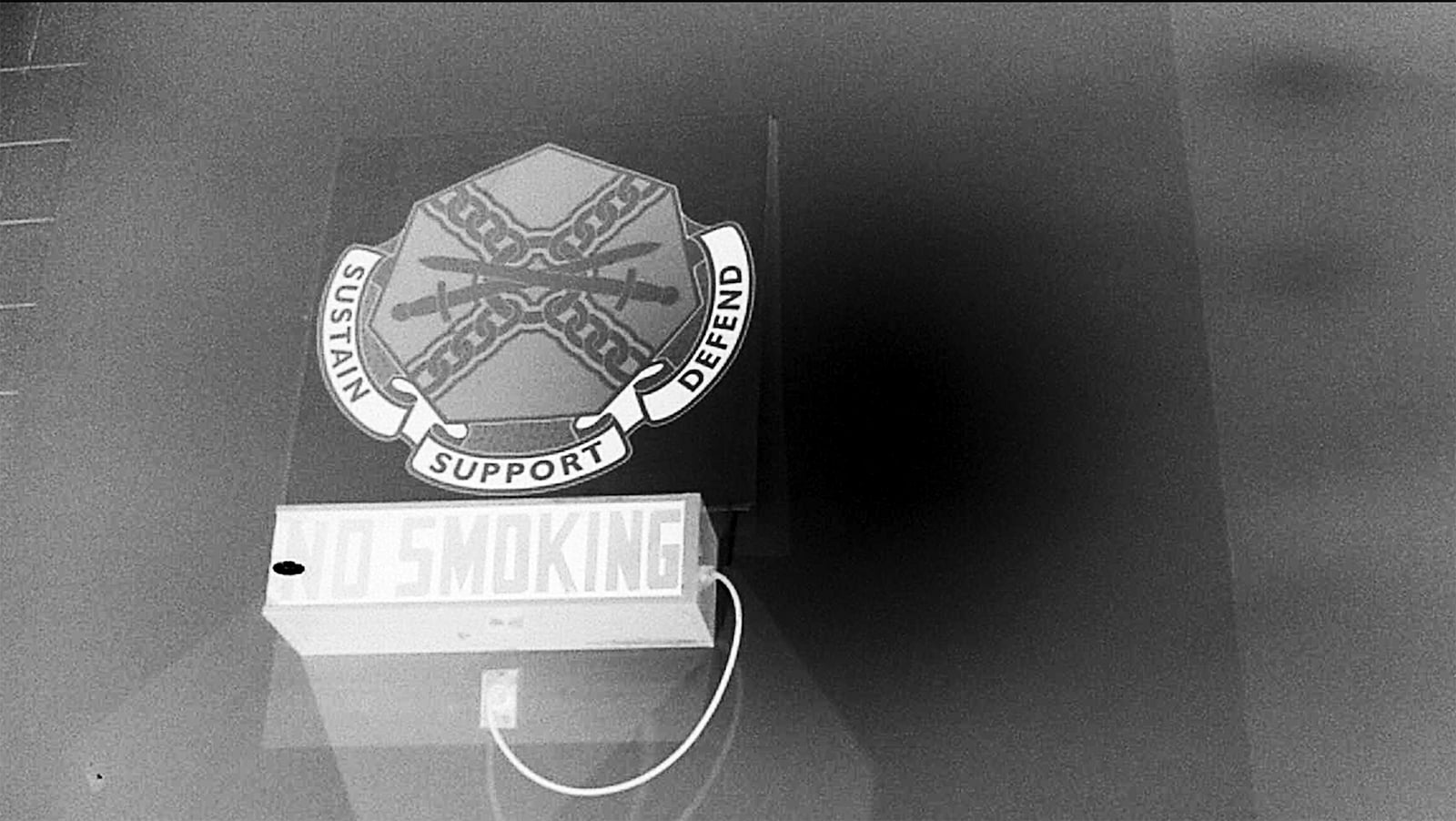
Na Mira's biggest work yet is at the Museum of Modern Art (MoMA) in New York. It uses video shot on an army base and a missile range.
- Dates
- 14 November 2026 to 15 February 2027
- Where
- Kravis Studio, Museum of Modern Art
Why it matters
Mira argues that war systems use sensory tools to discipline perception. This show lets visitors test that claim with light and sound in one room.
An empty cinema on an army base is where this New York show begins. Artist Na Mira filmed inside it at Fort Bliss in summer 2025. She also shot video at White Sands Missile Range next door, along the border between the United States and Mexico.
The result is NO SMOKING, her largest work so far. It opened on 14 November and runs to 15 February 2027. The room is the Marie-Josée and Henry Kravis Studio. This is her first solo museum show in New York. She is a Korean American artist born in 1982.
The context
The work is a new commission. It mixes spectral projections with sound that responds to the Studio's architecture. One work is BLISS BLISS. It pairs two-channel infrared video, in black and white, with glass, plexiglass and sun.
Mira took her cue from fûkeiron (a Japanese film theory from the late 1960s). The theory holds that landscapes can evoke political conditions.
I read the word fûkeiron twice and still needed a second coffee.
Mira puts her aim this way: "Systems of war appropriate, mutate, and weaponize sensory technologies to discipline perception". Sophie Cavoulacos, an associate curator of film, organised the show with Abby Hermosilla, a curatorial assistant.
What to look for
- The videos shot at Fort Bliss and White Sands in summer 2025
- Sound that responds to the Studio's architecture
- Projections that the museum calls spectral
Mira's earlier work at military sites
Mira has made work at military sites before. They include Dragon Hill Garrison in Seoul and the Demilitarized Zone. Her practice draws on animistic ritual and structural filmmaking. She also works with infrared video and holography.
The Hammer Museum's page shows Sugungga, a 2024 work. It casts two video channels on either side of a sheet of holographic glass. Mira filmed one channel from a cab. It circled the walled edge of the Yongsan Garrison in Seoul. The site is also called Dragon Hill. The other channel shows a large rabbit sculpture inside the garrison walls.
That page says the Japanese army built the garrison in the early 1900s. It was long a United States Army headquarters and was recently returned to the government. The same page lists mirrors and radio transmitters among her media.
Our view
We would go to see how light and sound make that case in one room.
Would you visit?
Provenance
- Na Mira: NO SMOKING | MoMA
- Na Mira - Hammer Museum | Hammer Museum
We remember your likes in this browser for 180 days. Privacy notice.
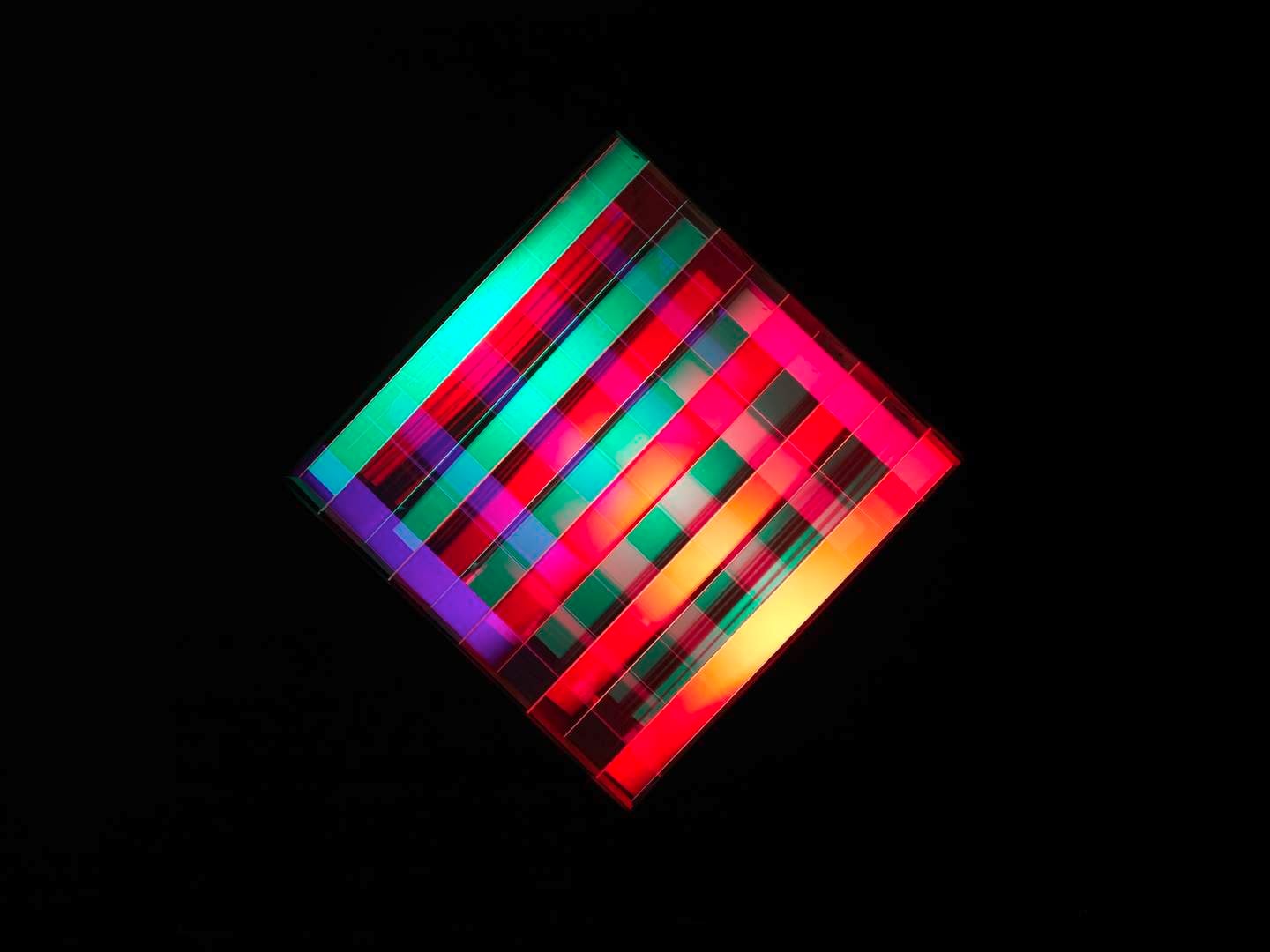
Julio Le Parc's button-pushing show runs to May 2027
Tate Modern's Julio Le Parc show runs until 3 May 2027. It covers 70 years of the artist's work with light and movement.
Photo: Julio Le Parc. Continual Light Box, 1963-2013. Lent by the Atelier Le Parc 2026. © ADAGP, Paris and DACS, London 2026. Tate, image from the cited coverage, used under fair dealing for reporting current events (Fair dealing, reporting current events)
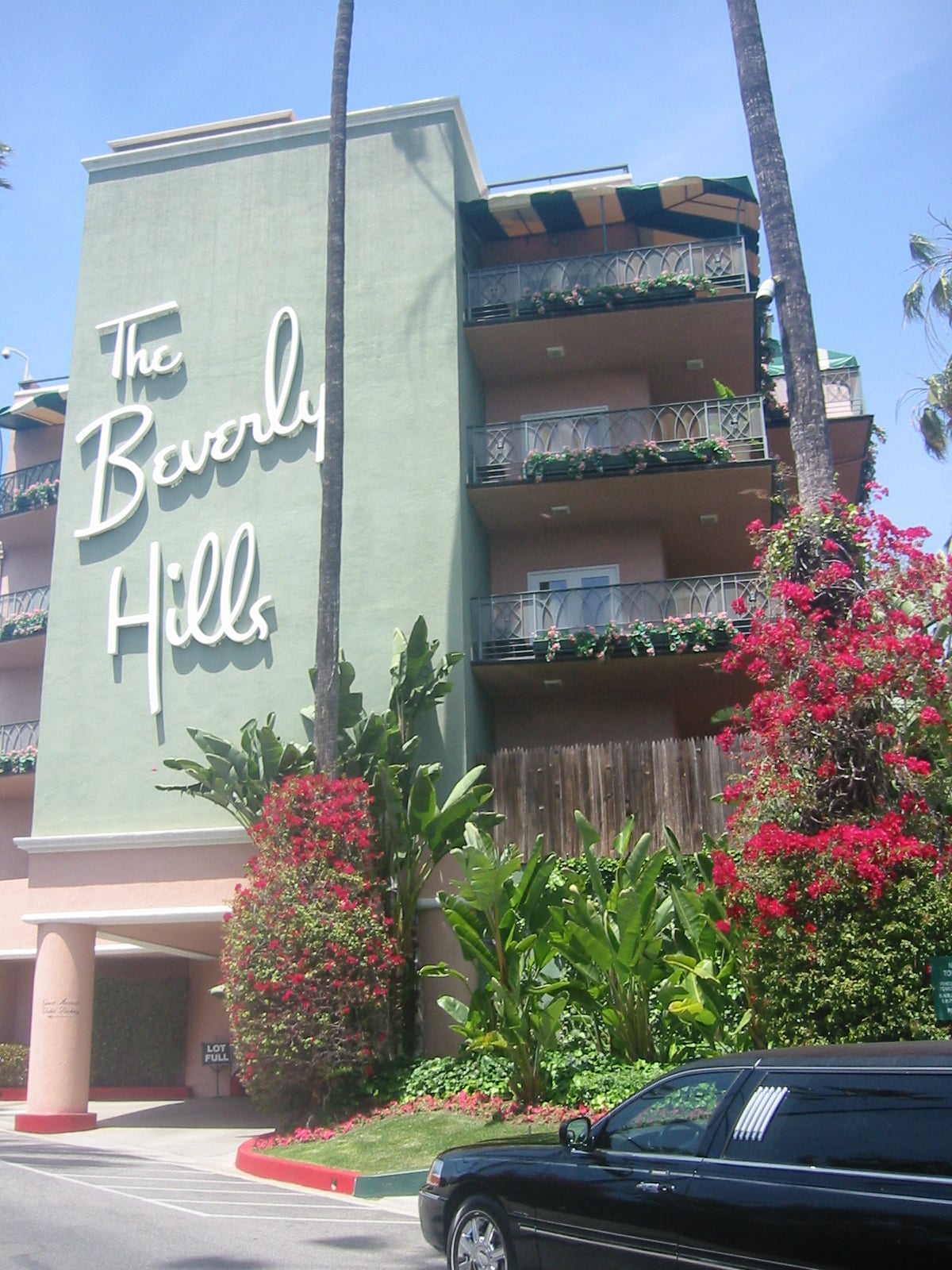
Paul Revere Williams's biggest show opens in Los Angeles
A Los Angeles museum opened the largest museum show yet of architect Paul Revere Williams on 15 November. It runs to 31 May 2027.
Photo: Minnaert. BeverlyHillsHotel03, 2007-05-05. Photograph. Wikimedia Commons, Own work (Public domain)
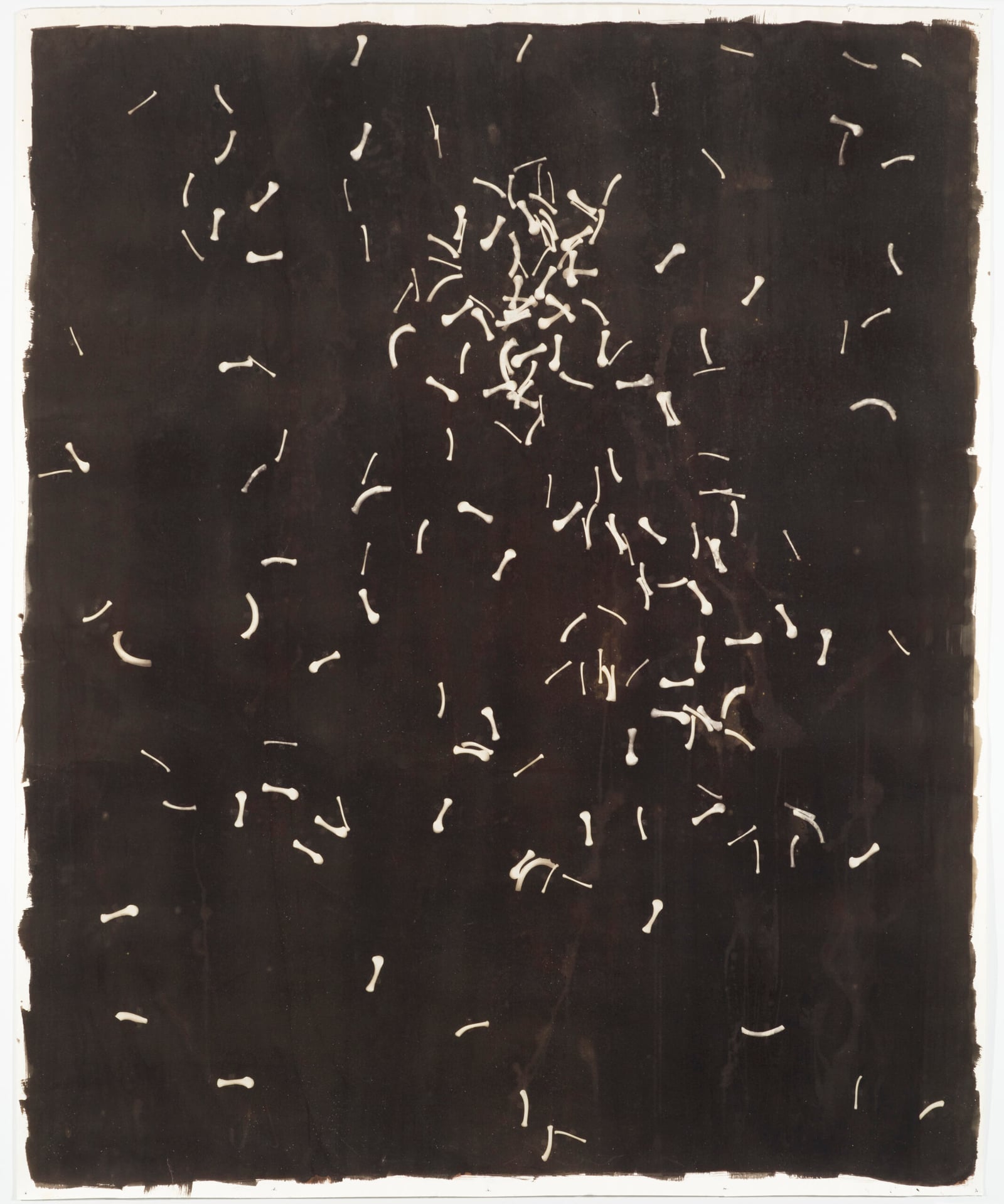
Rashid Johnson's survey comes home to Chicago
Rashid Johnson, born in Chicago, has a show of more than 70 works there. It runs until 25 April 2027.
Photo: Rashid Johnson. The Unwearable Dashiki, 2001, Van Dyke brown print. Collection MCA Chicago, Gift of Paul and Dedrea A. Gray, 2002.93. Photo: Nathan Keay. Museum of Contemporary Art Chicago, image from the cited coverage, used under fair dealing for reporting current events (Fair dealing, reporting current events)
Join the family
Get Market Insights & Tips directly
Join the family
Comments
Includes replies.
Comments load after the article.