 ARTCESTRY
Nengi Omuku paints on woven cloth at the de Young
Nigerian painter Nengi Omuku shows new paintings on woven cloth at San Francisco's de Young museum until 14 May 2028.
- Dates
- Until 14 May 2028
- Where
- de Young Museum, San Francisco
Why it matters
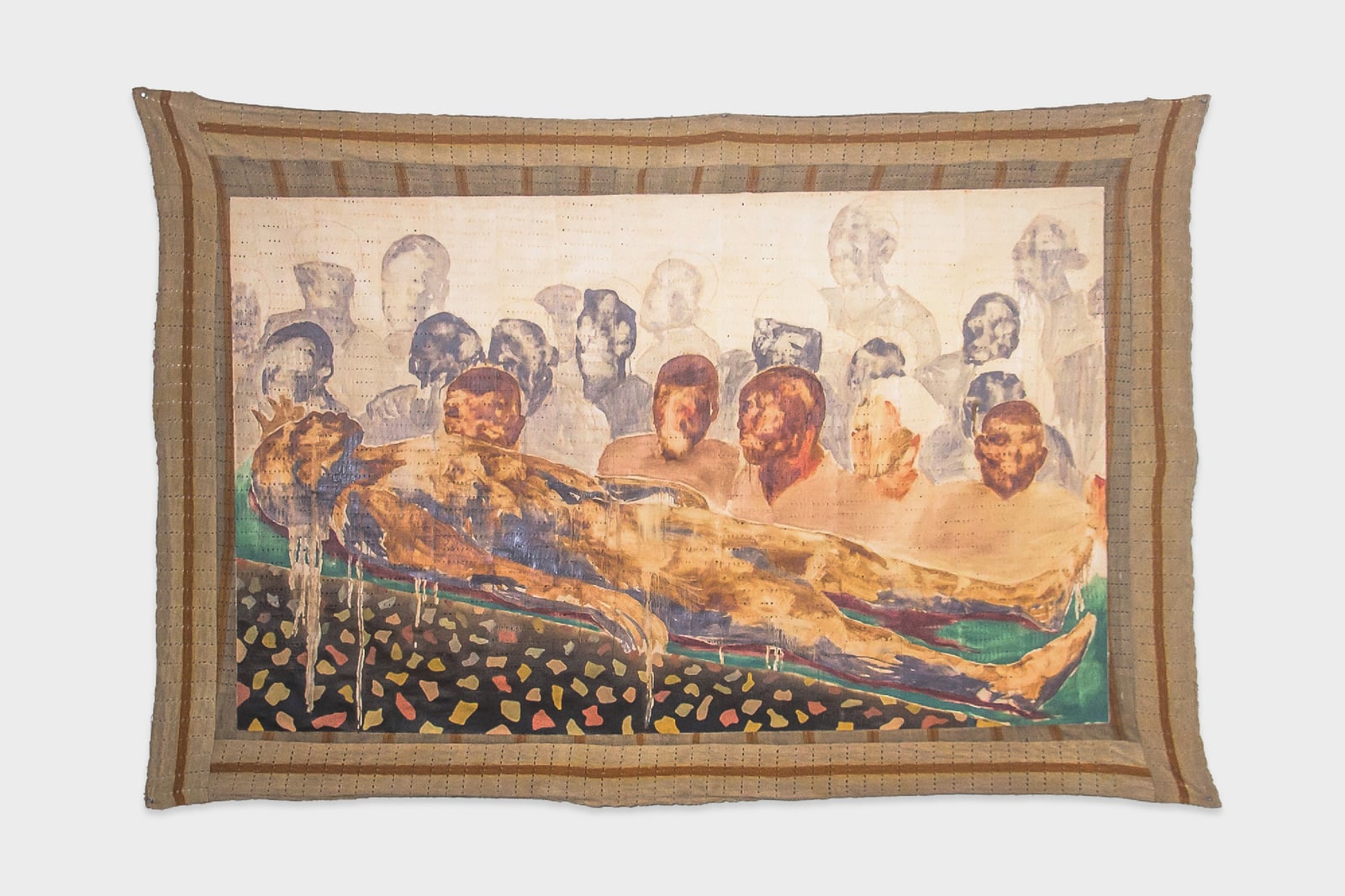
Her paintings hang away from the walls, so you can see both sides of the cloth, and a sample is there to touch. The weave becomes part of the story.
Nengi Omuku trained as a painter in London, yet her new paintings hang on cloth, not canvas. She studied painting at the Slade School of Fine Art after growing up in Nigeria, where she was born in Warri in 1987. Back home, she could not find the canvas she knew, and importing it cost too much. So she turned to woven cloth.
From canvas to cloth
A friend introduced her to sanyan (a sturdy cloth from western Nigeria, woven from wild moth silk and cotton). The cloth is older than colonial rule and is used for special-occasion clothing. It is striped, textured and a little stiff, the KQED review notes.
Omuku now commissions her painting surfaces from a family of weavers. They keep the craft alive despite cheap fast fashion, the review adds.
My own attempt to tell silk from cotton by sight would fail.
The show in San Francisco
The Gathering is her first institutional solo show in the United States, according to Pippy Houldsworth Gallery. It runs from 27 June 2026 to 14 May 2028 at the de Young. Her paintings sit beside sculptures and textiles from the museum's arts of Africa collection.
The review calls it the third contemporary show staged inside that permanent African collection. Curator Natasha Becker has paired new and historic objects there since 2022.
What the paintings show
Omuku made four new paintings for the show. Each one shows groups of people in protest, shared care or dreams of a better future. One painting the review describes, New Haven from 2025, shows people in flowering fields carrying yellow jerry cans as they queue for fuel. Nigeria produces oil yet often has fuel shortages, the review points out.
"And I realized that this is the world we're protesting for," she said of the new work.
An older painting, The Gathering from 2020, shows a nude figure stretched out in the foreground. A crowd at least three people deep surrounds the figure. Omuku based it on newspaper reports of a building collapse during the pandemic. People gathered to care for the victims, even though gatherings were discouraged.
The review links the image to Christian scenes of mourning and ancient Greek funeral vessels. It also calls the painting specific to her Nigerian heritage. Omuku said she was "thinking about collective experience, collective mourning".
Cloth that remembers
A ceremonial dance garment, Paka Egungun, made between 1930 and 1970, hangs in the show too. Its many flaps of fabric twirl as the dancer moves. In Yoruba masquerade, the dancer becomes an ancestor who returns to bless the community.
Omuku said Becker showed her that she was building "a very ancient world". That is the show's bridge between new paint and old cloth.
Our view
We think the weave is part of the argument, because Omuku chose a cloth with a long history. You can test that yourself, since a sanyan sample is there to touch.
Would you visit?
Provenance
We remember your likes in this browser for 180 days. Privacy notice.
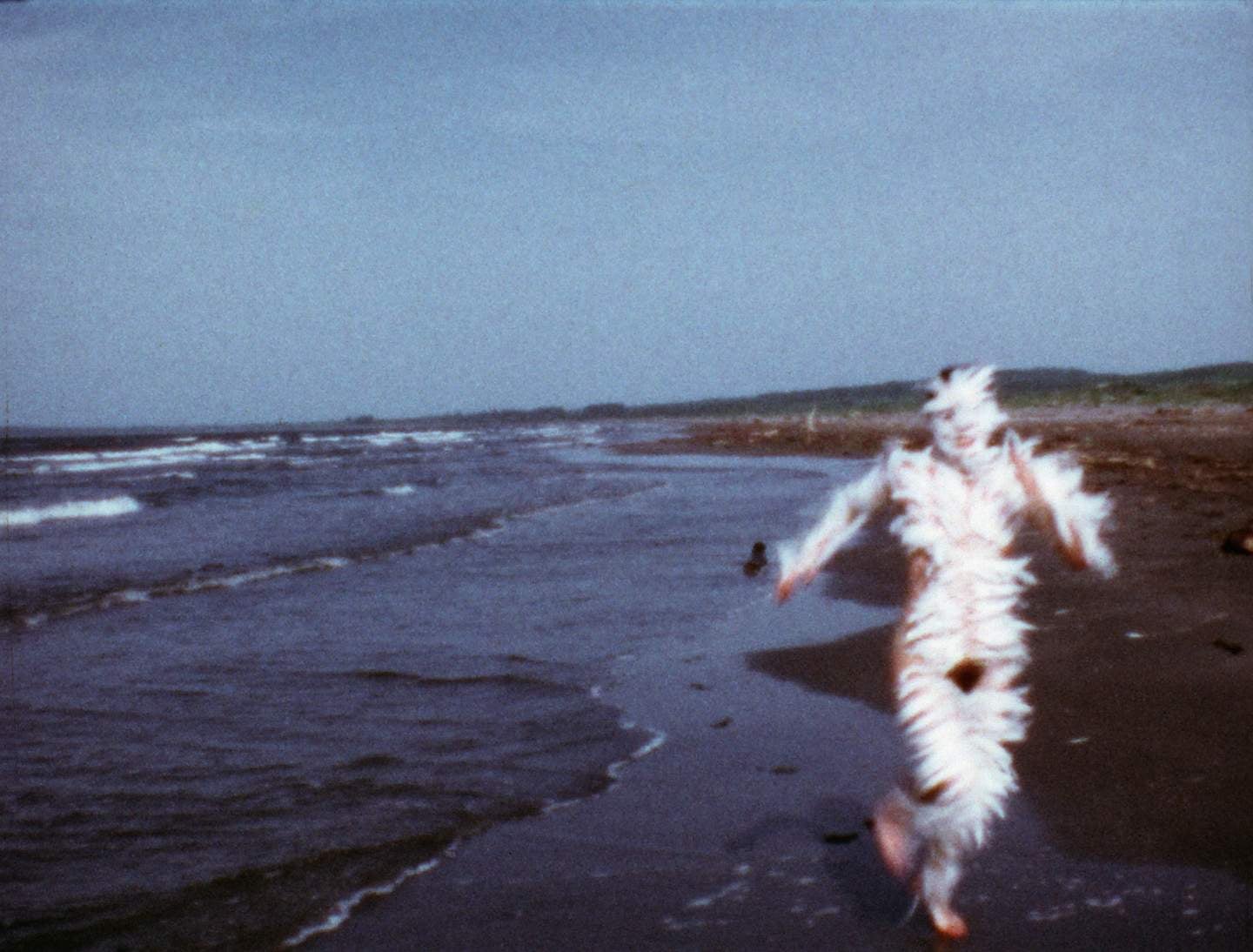
Ana Mendieta's remastered films show at Tate Modern
Tate Modern shows more than 120 works by Ana Mendieta, with newly remastered films, until 17 January 2027.
Photo: Ana Mendieta. Bird Run, 1974. © The Estate of Ana Mendieta Collection, LLC. Licensed by Artist Rights Society (ARS), New York. DACS 2026. Courtesy Marian Goodman Gallery and Alison Jacques, London. Tate, image from the cited coverage, used under fair dealing for reporting current events (Fair dealing, reporting current events)
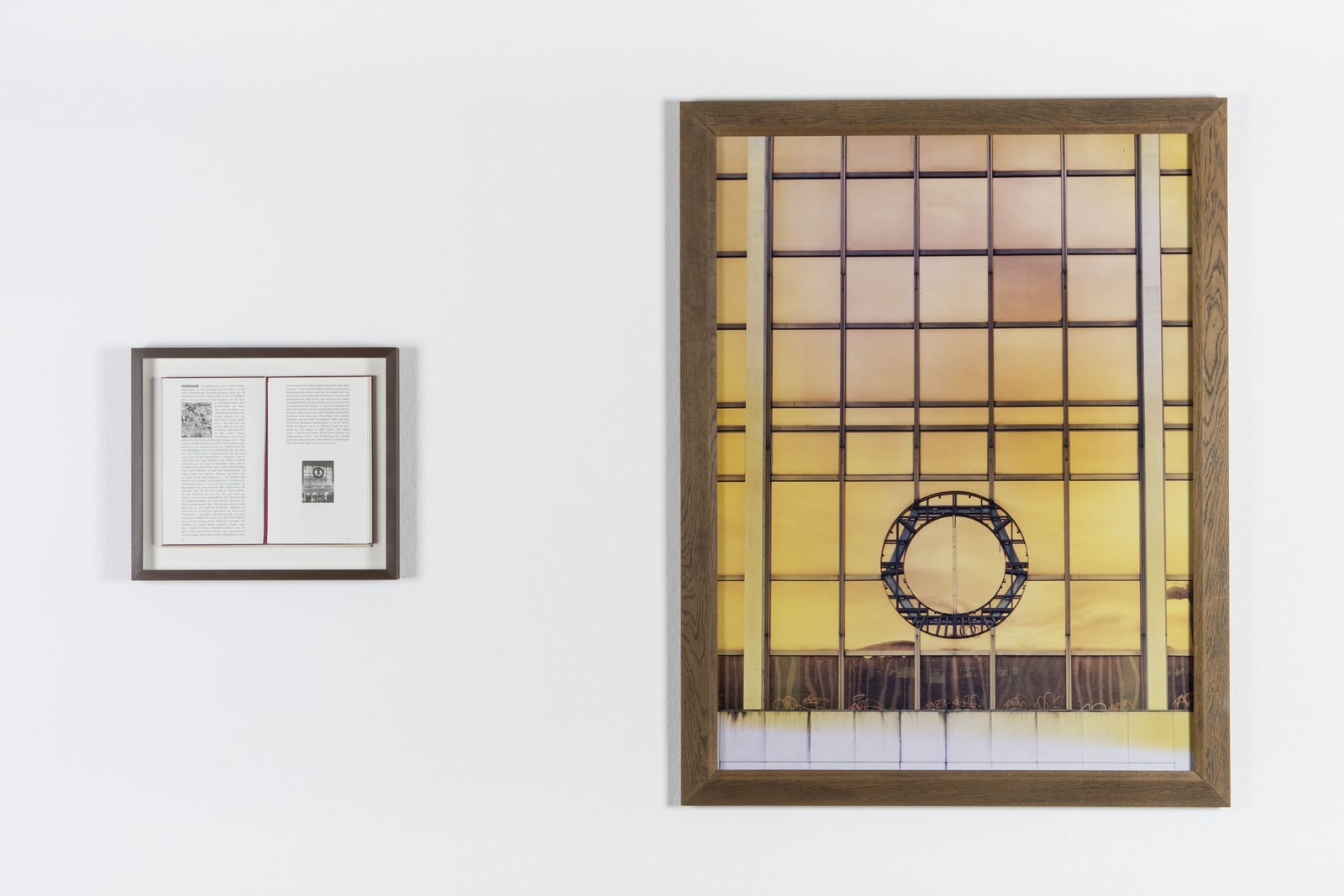
Sophie Calle returns to Berlin after 20 years
Sophie Calle's first Berlin solo show in over 20 years opens at Hamburger Bahnhof. It is built on photographs of removed East German symbols.
Photo: Sophie Calle. DDR Wappen (Palast der Republik), 1996, colour photograph and book. © Sophie Calle, VG Bild-Kunst, Bonn 2026; courtesy of the artist and Arndt Art Agency; photo: Staatliche Museen zu Berlin, Nationalgalerie / Thomas Bruns. Staatliche Museen zu Berlin, image from the cited coverage, used under fair dealing for reporting current events (Fair dealing, reporting current events)
Dewey Crumpler: five decades on show in San Francisco
Dewey Crumpler's first major museum show in about two decades fills three San Francisco floors until 30 May 2027.
Join the family
Get Market Insights & Tips directly
Join the family
Comments
Includes replies.
Comments load after the article.