

Van Gogh's chestnut trees break his auction record
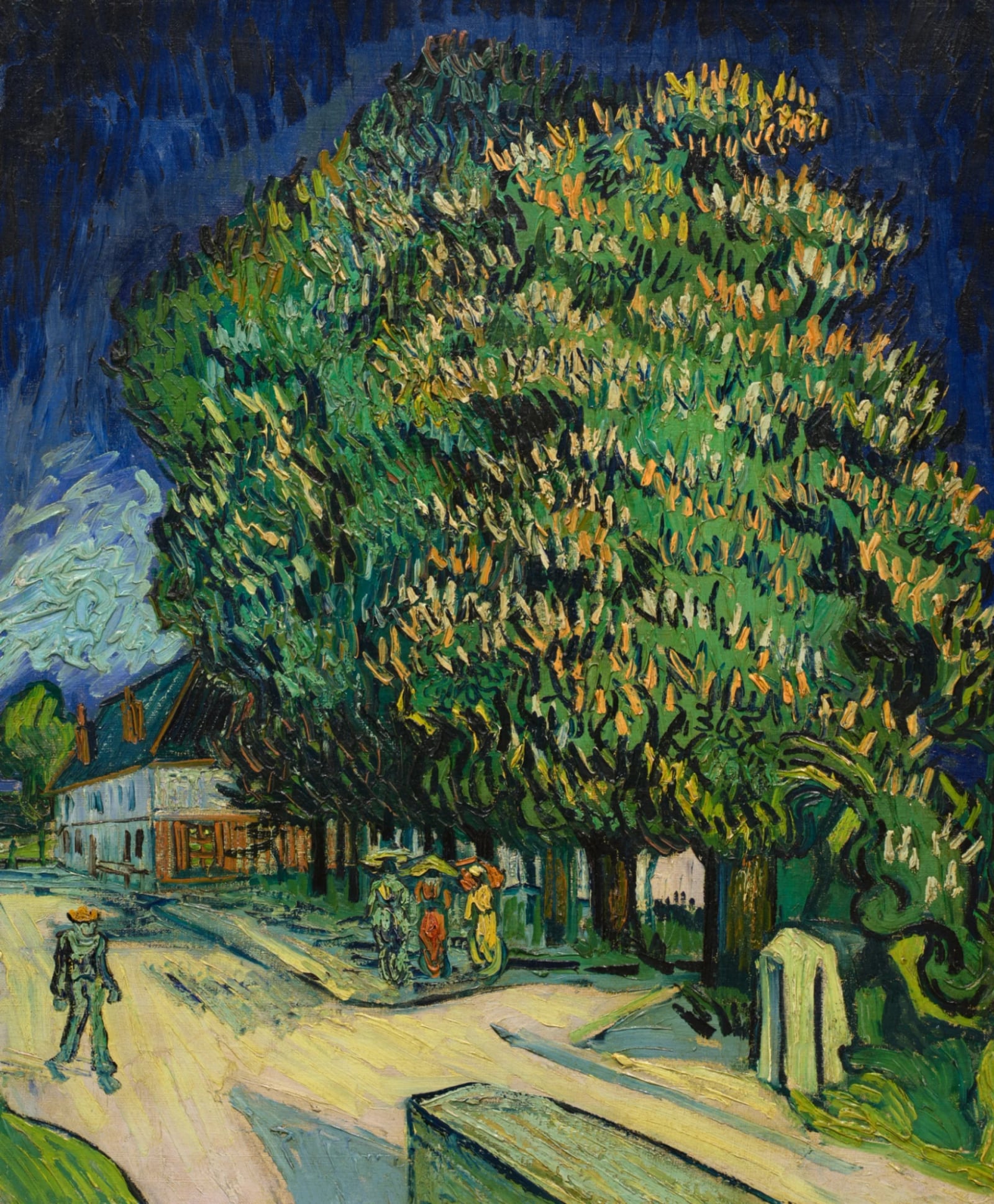
Van Gogh's Blossoming Chestnut Trees sold in New York on 18 November. The price, about $190 million, is a record for the painter.
Why it matters
Its sale followed a deal with the heirs of earlier owners, announced one day before. The terms were not made public.
A painting with a dispute over its Nazi-era past sold for a record price on 18 November. It is Van Gogh's Blossoming Chestnut Trees, painted in May 1890, weeks before he died. Sotheby's sold it in New York for $190.4 million with fees, The Art Newspaper reports. A slightly different figure appears on the house's own page, $189.3 million. That page calls it a new auction record for Van Gogh.
The claim before the sale
One day before the sale, the house announced a settlement. It was between the Blaquier heirs and the heirs of Hedwig and Samuel Fischer, earlier owners of the painting. The paper says the terms were not made public.
Since 1975, the Blaquier-Arrieta collection had held the painting. Nelly Arrieta de Blaquier and Carlos Pedro Blaquier, collectors from Argentina, assembled that collection.
The record at the hammer
Bidding ran for nearly five minutes. William Acquavella, head of Acquavella Galleries, bought the painting as a bidder in the room. The house had put a guarantee (a promise to the seller of a minimum price) on the work.
The hammer price (the last bid the auctioneer accepts, before fees) was $165 million. Fees lifted the total to $190.4 million. Van Gogh's old record was $117 million with fees, set in 2022 for Orchard with Cypresses.
Only Klimt's portrait of Elisabeth Lederer, at $236.4 million with fees, cost more among objects sold at this house. As a painting, the Van Gogh ranks fourth at auction, the paper adds.
The context
Twelve works made up the evening, and together they made $412 million with fees. The group made $358 million at the hammer, below an estimate near $450 million, the paper says. Six lots sold below their low estimates, five within range and one above.
Cézanne's Arlequin hammered at $99 million, or $111 million with fees. It fell short of the painter's own record of $138 million. Two back-to-back sales that night made $777.8 million with fees. Just over one third of works sold below estimate, and the paper describes the night as one of uneven bidding.
Our view
We think the settlement is the lesson of this sale. A dispute over the painting's past was settled one day before the sale, and the record followed. We cannot judge the terms, because they were not made public.
My own bidding limit would not cover the frame, let alone the painting.
What do you think?
Provenance
We remember your likes in this browser for 180 days. Privacy notice.
Kandinsky sets a $85.8 million record at Christie's
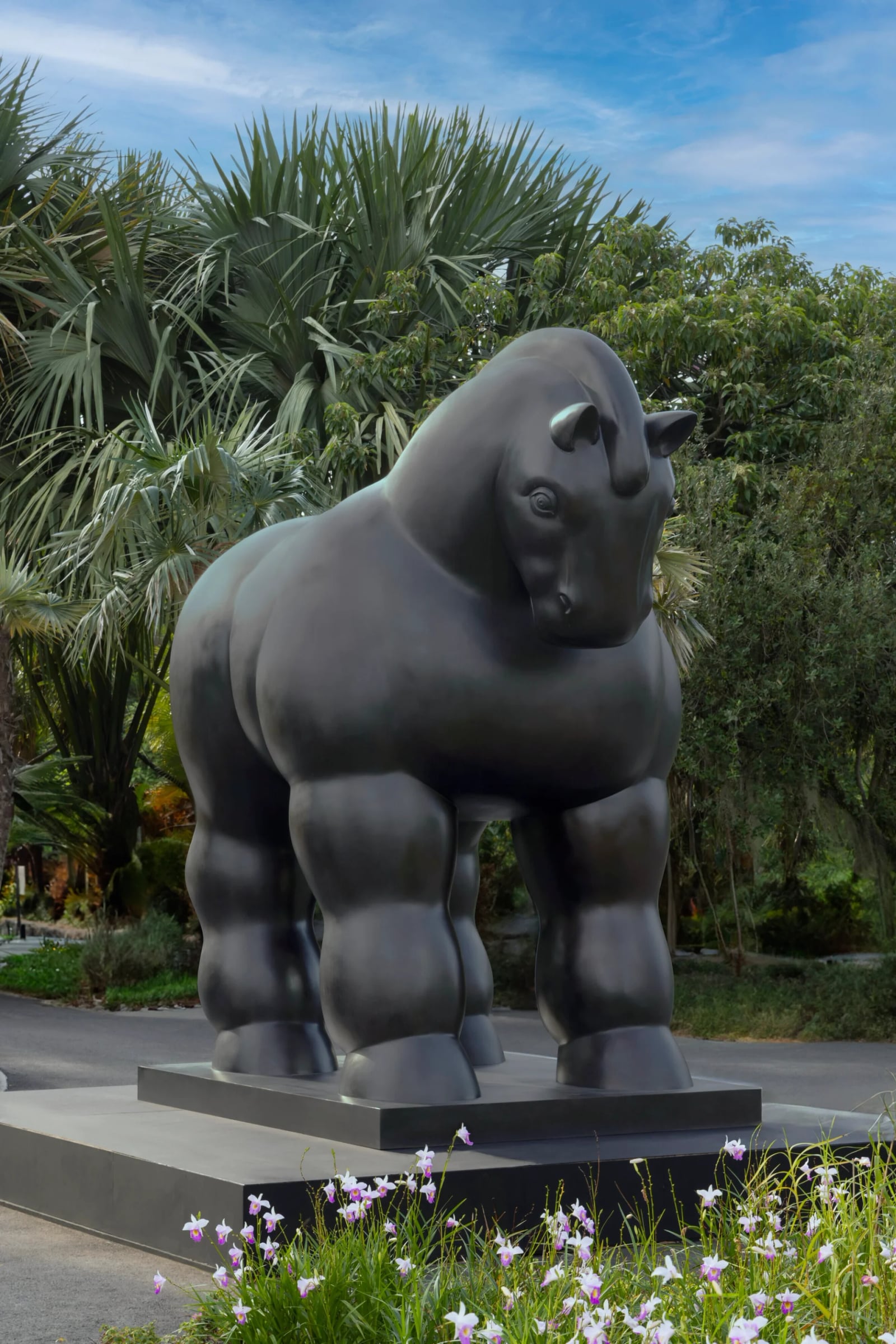
Kandinsky's Betonte Ecken sold for $85.8 million with fees in New York on 17 November. That is a record for the artist.
Photo: Fernando Botero. Horse, 2006. © Christies. The Art Newspaper, image from the cited coverage, used under fair dealing for reporting current events (Fair dealing, reporting current events)
Aaron Douglas's Harriet Tubman sells for $14.5 million
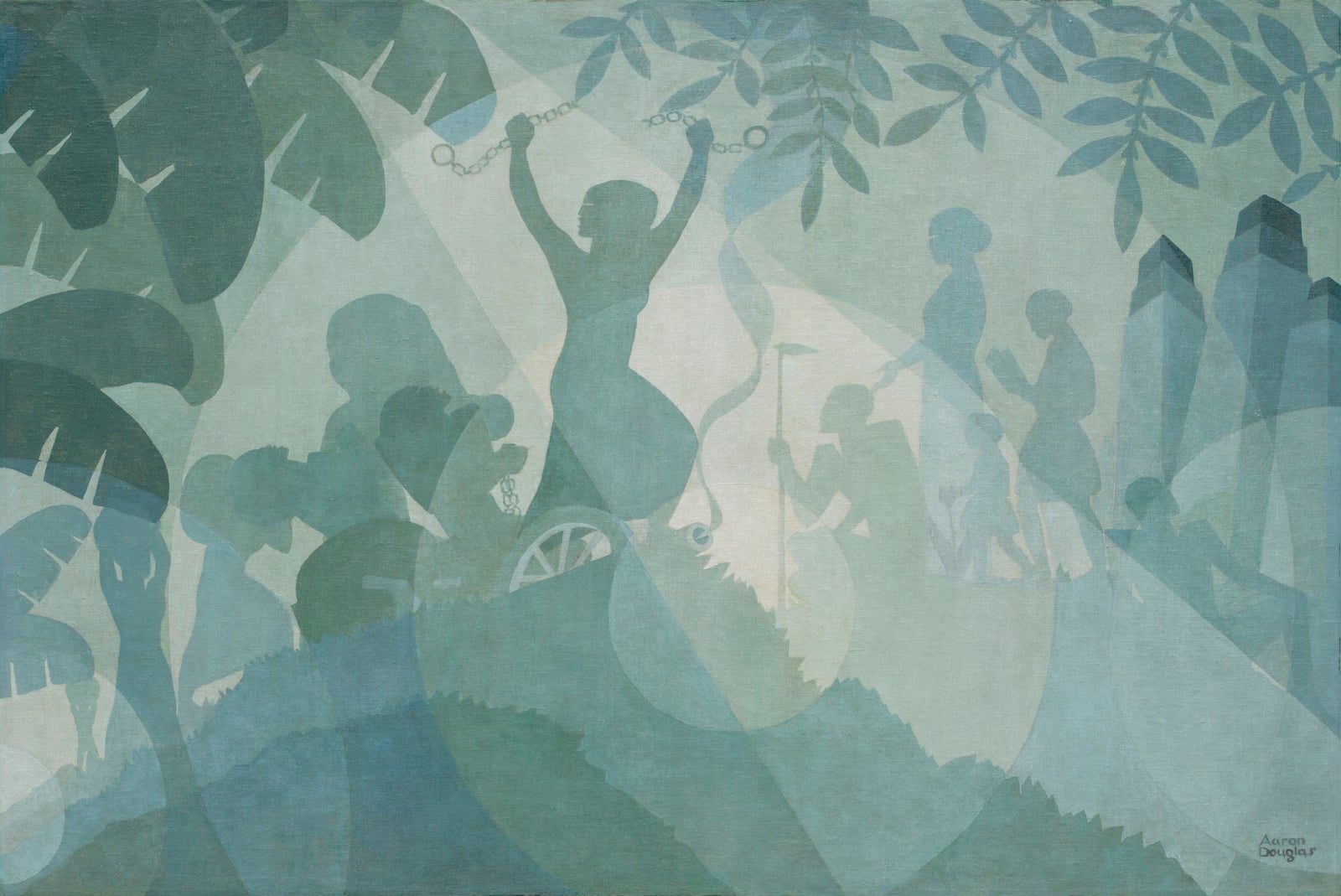
Aaron Douglas's 1931 painting Harriet Tubman sold in New York for $14.5 million. The pre-sale estimate was $2.5 million to $3.5 million.
Photo: Aaron Douglas. Harriet Tubman, 1931, oil on canvas laid down on aluminum panel. Image: Sotheby's. Sotheby's, image from the cited coverage, used under fair dealing for reporting current events (Fair dealing, reporting current events)
Kusama's red Infinity Net sets a $15 million record
Kusama's 1960 painting No. 3P.B. sold for $15 million with fees at Sotheby's New York on 16 November. It set a new auction record for the artist.
Join the family
Get Market Insights & Tips directly
Join the family
Comments
Includes replies.
Comments load after the article.