 ARTCESTRY
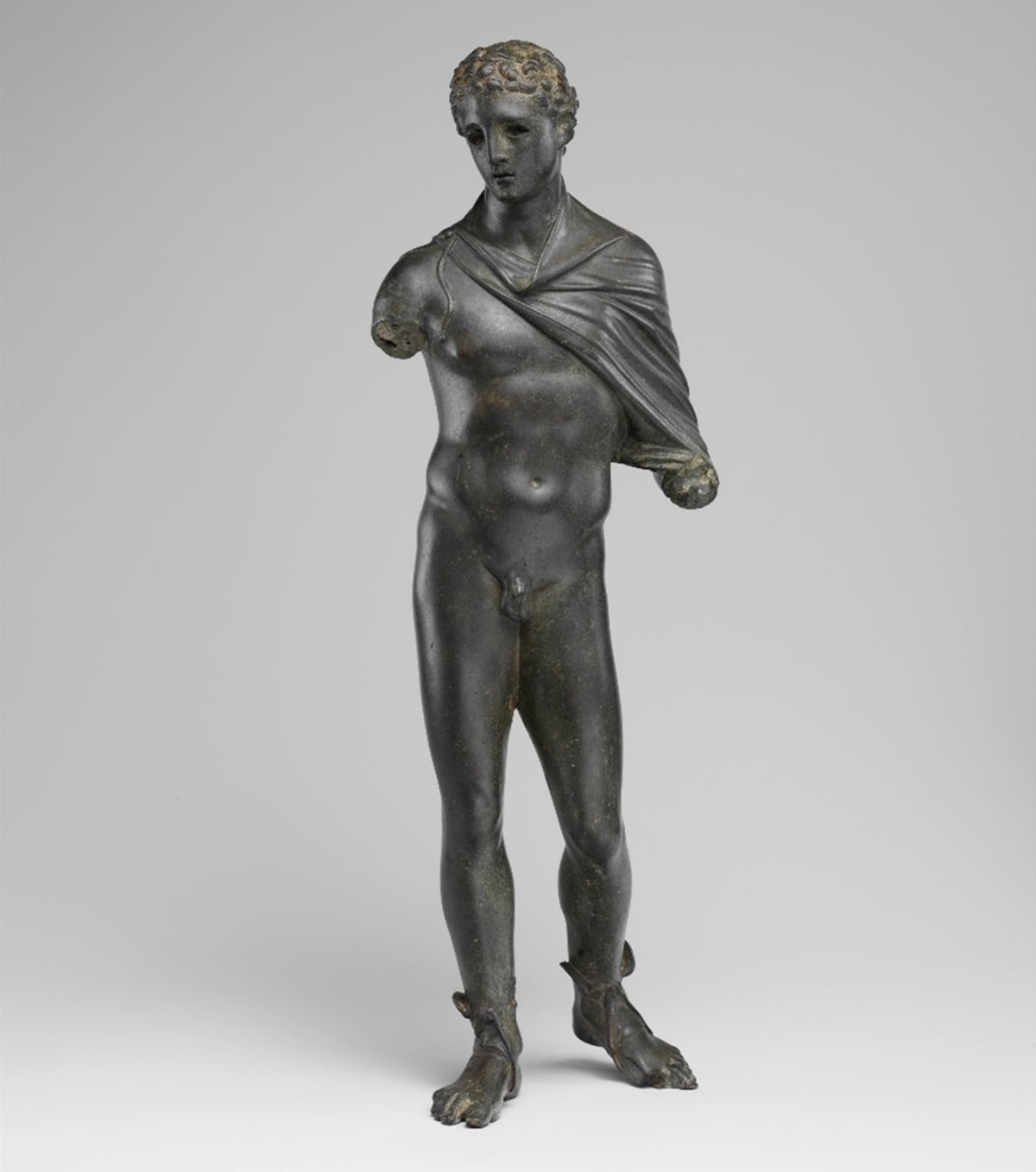
A bronze Hermes bought in 1971 goes home to Türkiye
New York prosecutors sent 100 objects back to Türkiye, among them a bronze Hermes. Istanbul showed them on 2 November.
Why it matters
New York prosecutors have now sent 276 objects back to Türkiye in all. One prosecutor urged museums, auction houses, galleries and collectors to check where objects came from.
A bronze Hermes that a New York museum bought in 1971 is now among 100 objects sent back to Türkiye. The small figure dates to the 1st century BCE or the 1st century CE. Prosecutors value it at about $500,000.
The Manhattan District Attorney's Office says the figure was looted from Türkiye. A convicted dealer took it out of the country in the 1960s. In 1971 the Metropolitan Museum of Art bought it with no provenance (the record of who owned an object and where it has been).
The context
It was one of 100 objects in a return announced on 18 September 2026. The office values the Türkiye group at over $2.2 million. Of the 100, 52 were seized from the museum.
This was the tenth return the office has made to Türkiye. Its total for the country is now 276 objects, valued at $96.5 million. Pakistan and Thailand were in the same announcement, with 36 and 11 objects.
District Attorney Alvin Bragg said the breadth of these returns shows that antiquities trafficking is global.
Istanbul puts the objects on show
Türkiye showed the 100 objects at the Istanbul Archaeological Museums on 2 November, Anadolu Agency reports. Culture and Tourism Minister Mehmet Nuri Ersoy and Manhattan Assistant District Attorney Matthew Bogdanos were there. A show called No Escape: Boubon opened at the same event.
Finds include these items.
- 40 items from Horoztepe, dated to 2300 to 2000 BC
- 44 clay panels from Düver in Burdur, dated to 700 to 480 BC
- A portrait from the ancient city of Aphrodisias
Boubon's bronze statues were dug up illegally in the 1960s, the agency says. They were taken apart and spread across collections in several countries. Research by Professor Jale İnan helped show where they came from. Digs at Boubon resumed in 2023, Ersoy said.
What it means for buyers and museums
Ersoy praised the work with the Antiquities Trafficking Unit. Teamwork like this, Ersoy said, pushes museums, collectors and the market to study provenance with more care.
Bogdanos said the New York unit has got back 6,452 looted objects, 276 of them from Türkiye. He added that museums, auction houses, galleries and collectors should check origins with more care.
Our view
We think any buyer or lender should ask for the paper trail first, as Bogdanos urges.
I cannot find my own keys, so tracing a statuette across decades humbles me.
What do you think?
Provenance
- D.A. Bragg Announces Return Of 147 Antiquities To The People Of Türkiye, Pakistan, And Thailand - Manhattan District Attorney's Office | Manhattan District Attorney's Office
- Türkiye repatriates 100 cultural artifacts from US | Anadolu Agency
We remember your likes in this browser for 180 days. Privacy notice.
Sweden returns 39 Benin objects to Nigeria
Sweden has handed 39 Benin objects to Nigeria, and six will stay on a ten-year loan. A return to Bolivia is under way too.
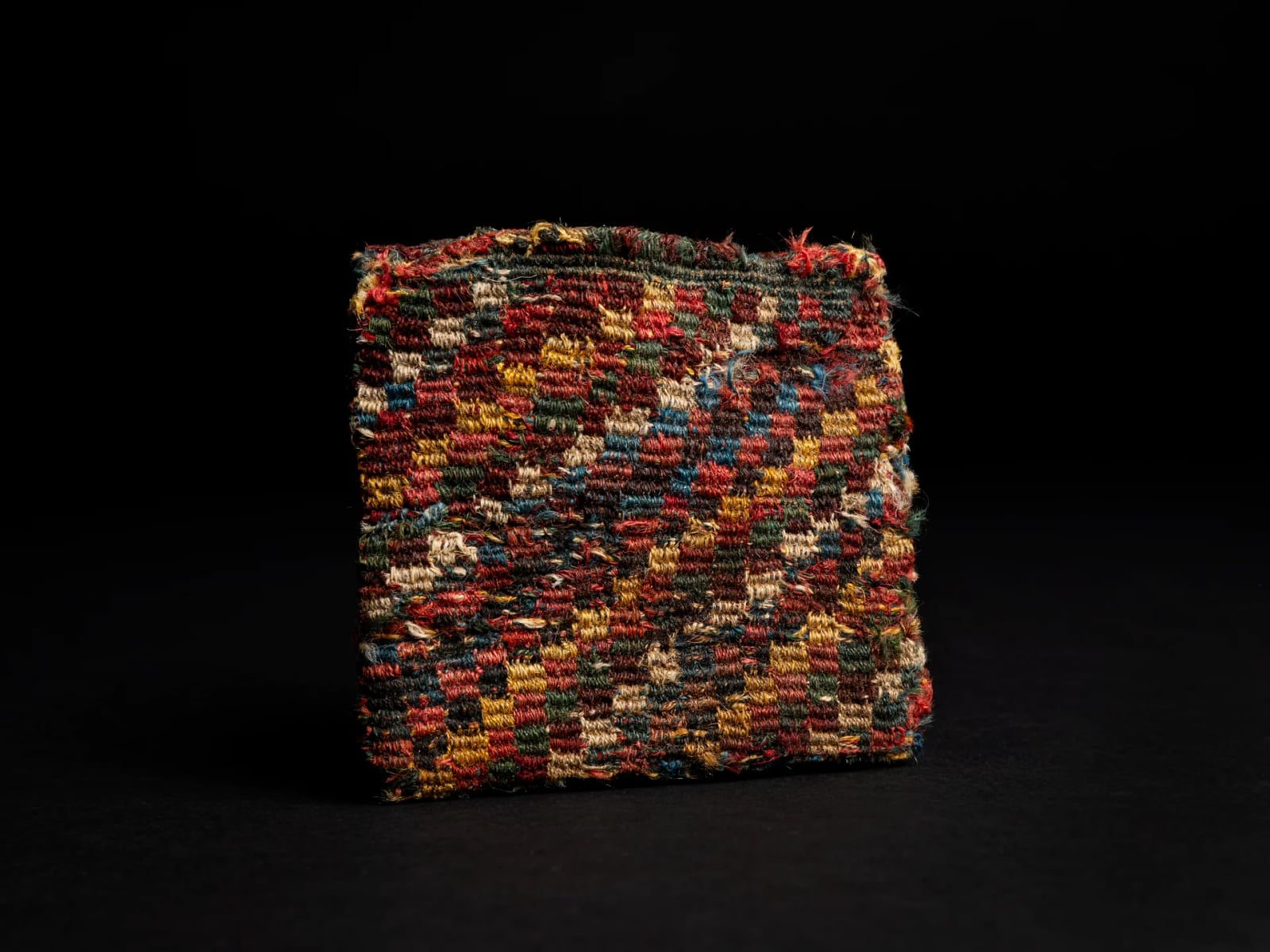
Photo: Beatrice Thornrose. wiphala (multi-coloured flag) from Niño Korin, one of the objects being restituted to Bolivia, as published by The Art Newspaper. The Art Newspaper, image from the cited coverage, used under fair dealing for reporting current events (Fair dealing, reporting current events)
Swiss museums sent 18 Benin works to Lagos and kept 10 on loan
Three Swiss museums returned 18 Benin objects to Nigeria on 29 June 2026. Ten more now belong to Nigeria but stay in Switzerland on loan.
A Dutch museum gave back a Benin plaque, then a palace ceremony
A Dutch museum signed over a Benin bronze plaque in November 2025. This month, the museum's head presented the plaque to the Oba at his palace.
Join the family
Get Market Insights & Tips directly
Join the family
Comments
Includes replies.
Comments load after the article.