 ARTCESTRY
How El Anatsui turned bottle tops into Behind the Red Moon
Tate describes a work made from used bottle tops, shaped by hand into three huge hangings.
Why it matters
The exhibition guide shows how small scraps became vast sheets, with a new shape each time they were hung.
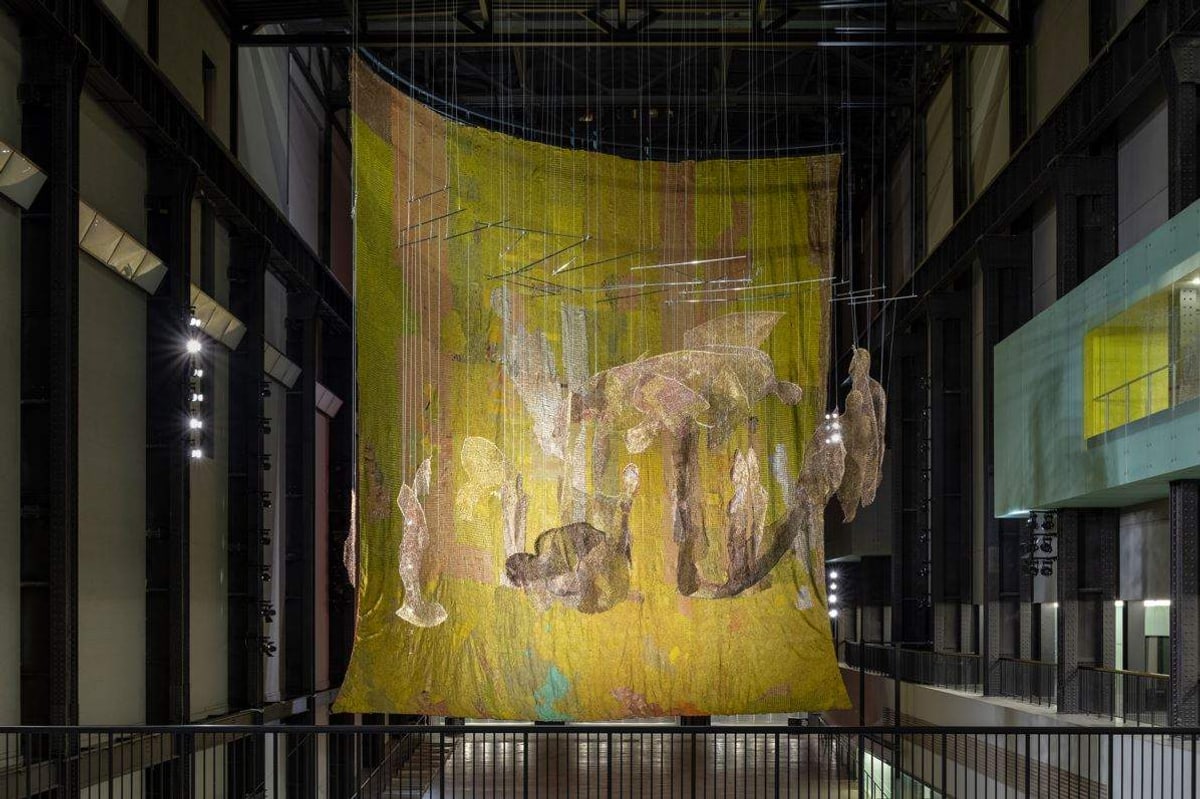
Used bottle tops became El Anatsui's biggest work yet, as Hyundai Motor and Tate described it at the 2023 unveiling. They called the work Behind the Red Moon, made for the Turbine Hall. The show's dates were 10 October 2023 to 14 April 2024.
The context
Before the vast sheets took shape, there were liquor bottle tops and scraps of metal. The exhibition guide traces those scraps through a process of crushing, crumpling and joining by hand. The bottle tops came from Nigeria and bore the logos of drinks brands.
Anatsui was born in Anyako, Ghana, in 1944, Tate's guide says. It names his working bases as Tema in Ghana and Nsukka in Nigeria. October Gallery says it first showed his work in 1993. The gallery also records his teaching career at the University of Nigeria, Nsukka.
Three hangings to walk between
After that work came three forms that visitors were asked to walk between. Tate describes the first, The Red Moon, as a sail caught by the wind. Red bottle tops trace the moon across it.
The next hanging is called The World. Layers that look like people are made from thin seals linked into a loose net. From one spot, those separate shapes form a circle like the Earth.
The final hanging, The Wall, is a black sheet that reaches from floor to ceiling. At its foot, heaps of metal look like waves and rocks. Behind it, the guide reveals a silver surface with bright patches of colour.
How the sheets were made
The scraps were crumpled and crushed, then joined by hand with copper wire, the guide says. Sheets were then joined into larger forms, with help from the artist's studio team. Hyundai Motor says these flexible works can fold for travel and take new shapes when hung again.
My craft drawer would like to apply for a much larger room.
Anatsui is quoted in the guide: "The Turbine Hall reminds me of a ship". The guide links his plans for the room to motion and the idea of a red sail. Hyundai Motor describes the commission (a new work made for a specific site) as part of its series for the Turbine Hall.
Our view
We like the shift in scale that Tate describes: a bottle top close up, a sail from far away. For us, the account of hands and wire makes the grand forms easier to grasp. The guide also links the drinks brands to trade routes and the movement of people between Africa, Europe and the Americas. We think that history gives the scraps more weight than their size suggests.
What do you think?
Provenance
- Hyundai Motor and Tate Announce Opening of Hyundai Commission: El Anatsui: Behind the Red Moon | Hyundai Motor
- Hyundai Commission: El Anatsui Exhibition Guide | Tate
- El Anatsui | October Gallery
We remember your likes in this browser for 180 days. Privacy notice.
Ana Mendieta's remastered films show at Tate Modern
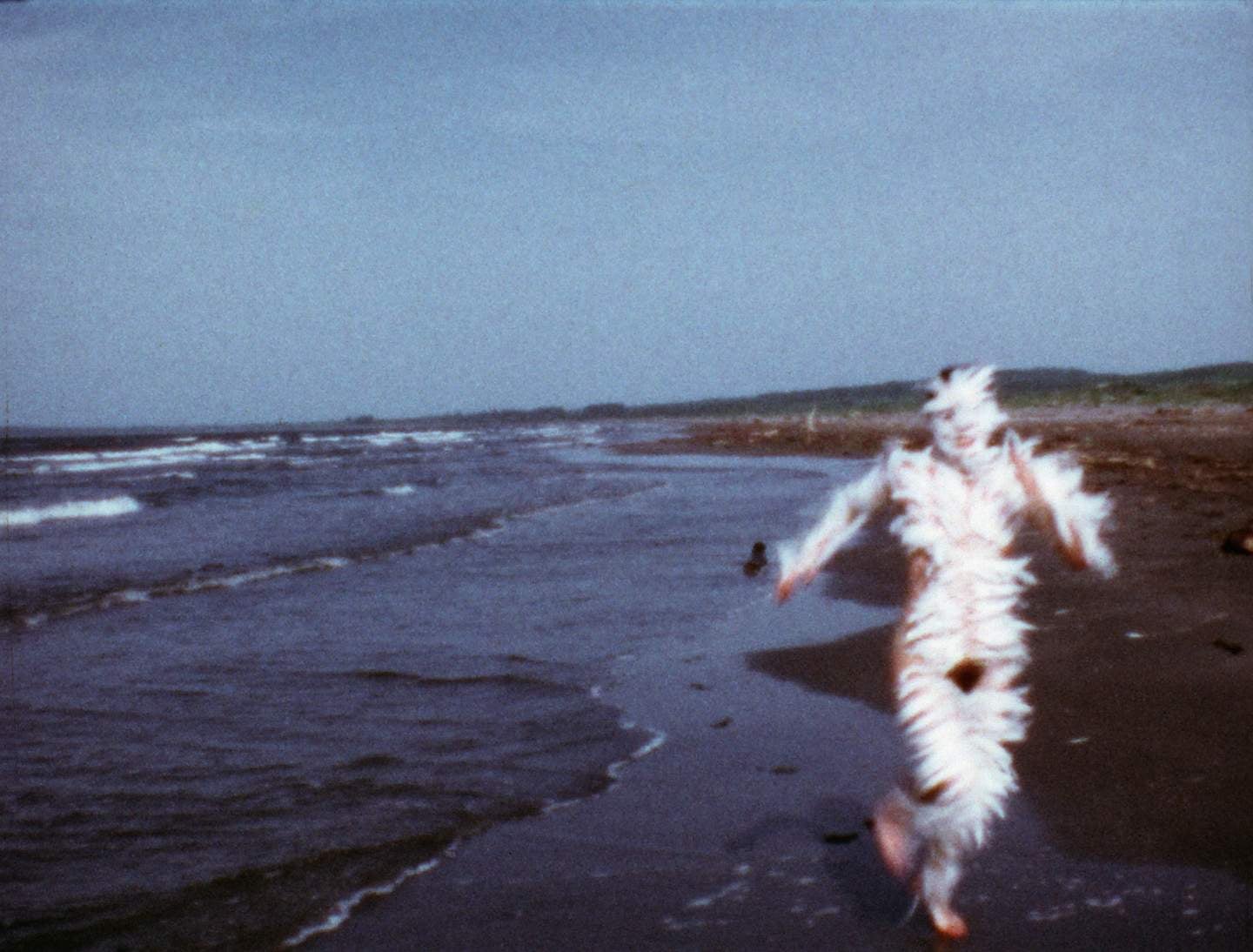
Tate Modern shows more than 120 works by Ana Mendieta, with newly remastered films, until 17 January 2027.
Photo: Ana Mendieta. Bird Run, 1974. © The Estate of Ana Mendieta Collection, LLC. Licensed by Artist Rights Society (ARS), New York. DACS 2026. Courtesy Marian Goodman Gallery and Alison Jacques, London. Tate, image from the cited coverage, used under fair dealing for reporting current events (Fair dealing, reporting current events)
Sophie Calle returns to Berlin after 20 years
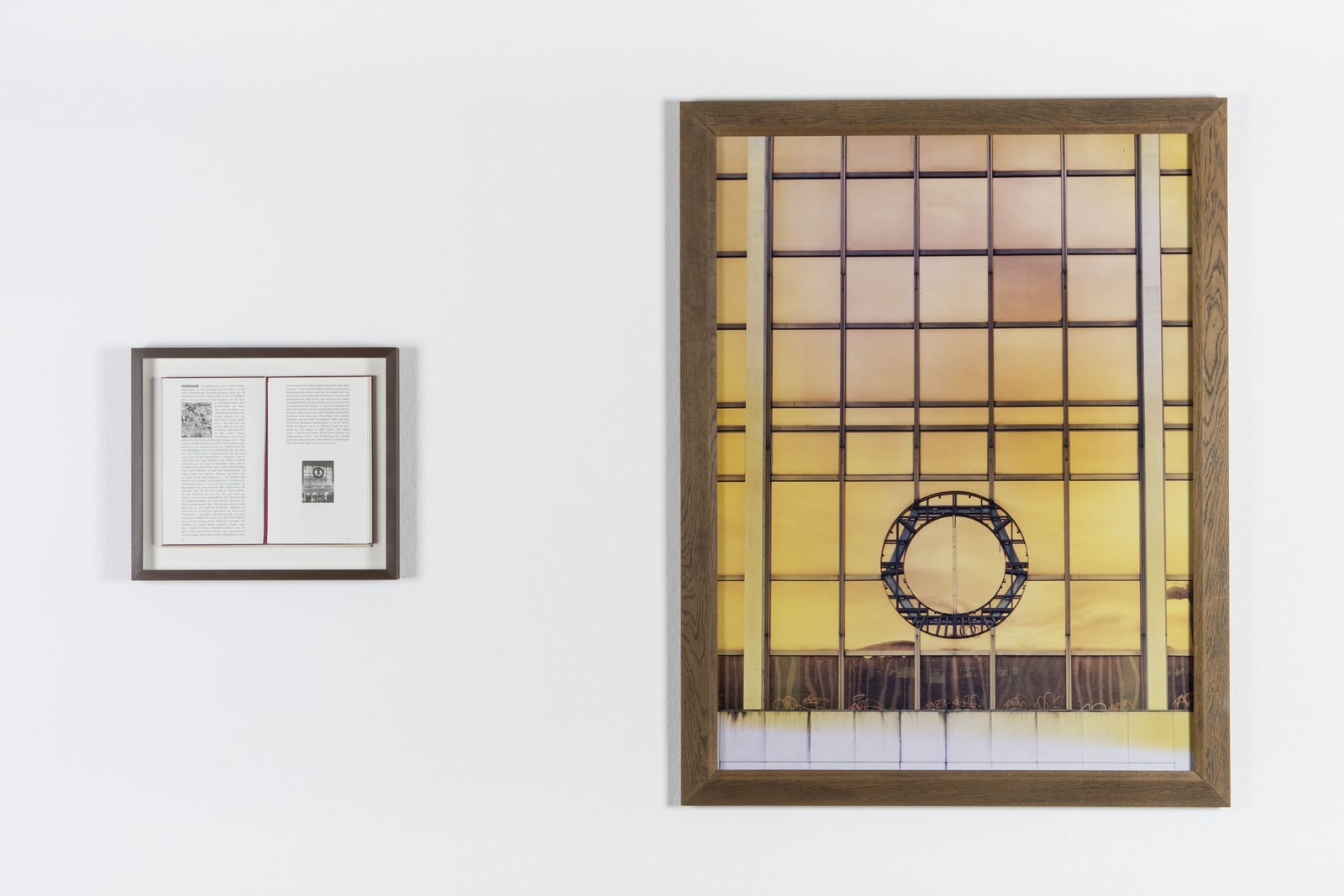
Sophie Calle's first Berlin solo show in over 20 years opens at Hamburger Bahnhof. It is built on photographs of removed East German symbols.
Photo: Sophie Calle. DDR Wappen (Palast der Republik), 1996, colour photograph and book. © Sophie Calle, VG Bild-Kunst, Bonn 2026; courtesy of the artist and Arndt Art Agency; photo: Staatliche Museen zu Berlin, Nationalgalerie / Thomas Bruns. Staatliche Museen zu Berlin, image from the cited coverage, used under fair dealing for reporting current events (Fair dealing, reporting current events)
Nengi Omuku paints on woven cloth at the de Young
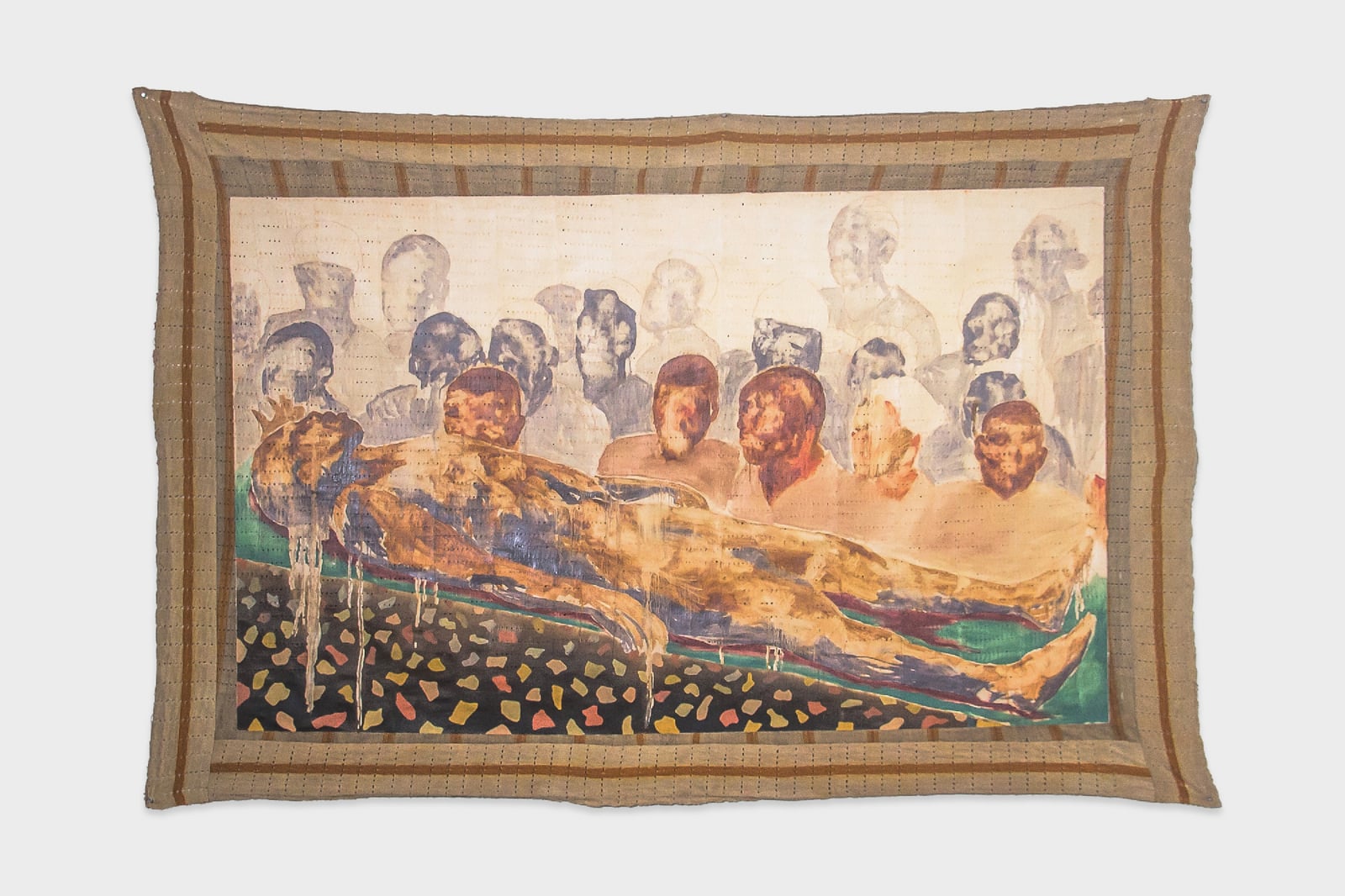
Nigerian painter Nengi Omuku shows new paintings on woven cloth at San Francisco's de Young museum until 14 May 2028.
Photo: Nengi Omuku. The Gathering, 2020, oil on sanyan. KQED, image from the cited coverage, used under fair dealing for reporting current events (Fair dealing, reporting current events)
Join the family
Get Market Insights & Tips directly
Join the family
Comments
Includes replies.
Comments load after the article.