 ARTCESTRY
A collector gave Tate Britain 50 paintings and took no tax benefit
Charles Greig has given Tate 50 works by artists who worked in India, mostly from the 18th and 19th centuries. He gave them outright, with no tax benefit to himself.
- Dates
- From 2028
- Entry
- Free
- Where
- Tate Britain
Why it matters
The gift adds a kind of art new to the museum's holdings, and a free display opens at Tate Britain in 2028. That gives readers a date to plan for.
Charles Greig spent 45 years collecting paintings by artists who worked in India. They hung in his late 17th-century house in west London. Now 50 of them belong to Tate Britain, with no tax benefit to the man who gave them.
Apollo reports that Greig saw himself as a steward, and thought the public should see a collection built on so much study. In his words, "I believe that a gift should be a gift". Tate's release says the gift came outright and without tax incentives.
What is in the gift
The gift covers oil paintings, watercolours and miniatures. Artists named include Johan Zoffany, William Hodges, and Thomas and William Daniell. Indian artists are there too, among them Sita Ram and Ghulam Ali Khan.
Sita Ram's three watercolours are the museum's first Company paintings (works made by Indian artists for British patrons). Lord Hastings, governor-general of Bengal, hired Sita Ram. The artist recorded his journey from Calcutta to the Punjab in 1814 and 1815.
Ghulam Ali Khan was court painter to the Mughal emperors. He later worked for East India Company officers. The gift has his panorama of the Diwan-i-Am in Delhi's Red Fort, painted about 1806.
The Zoffany portrait
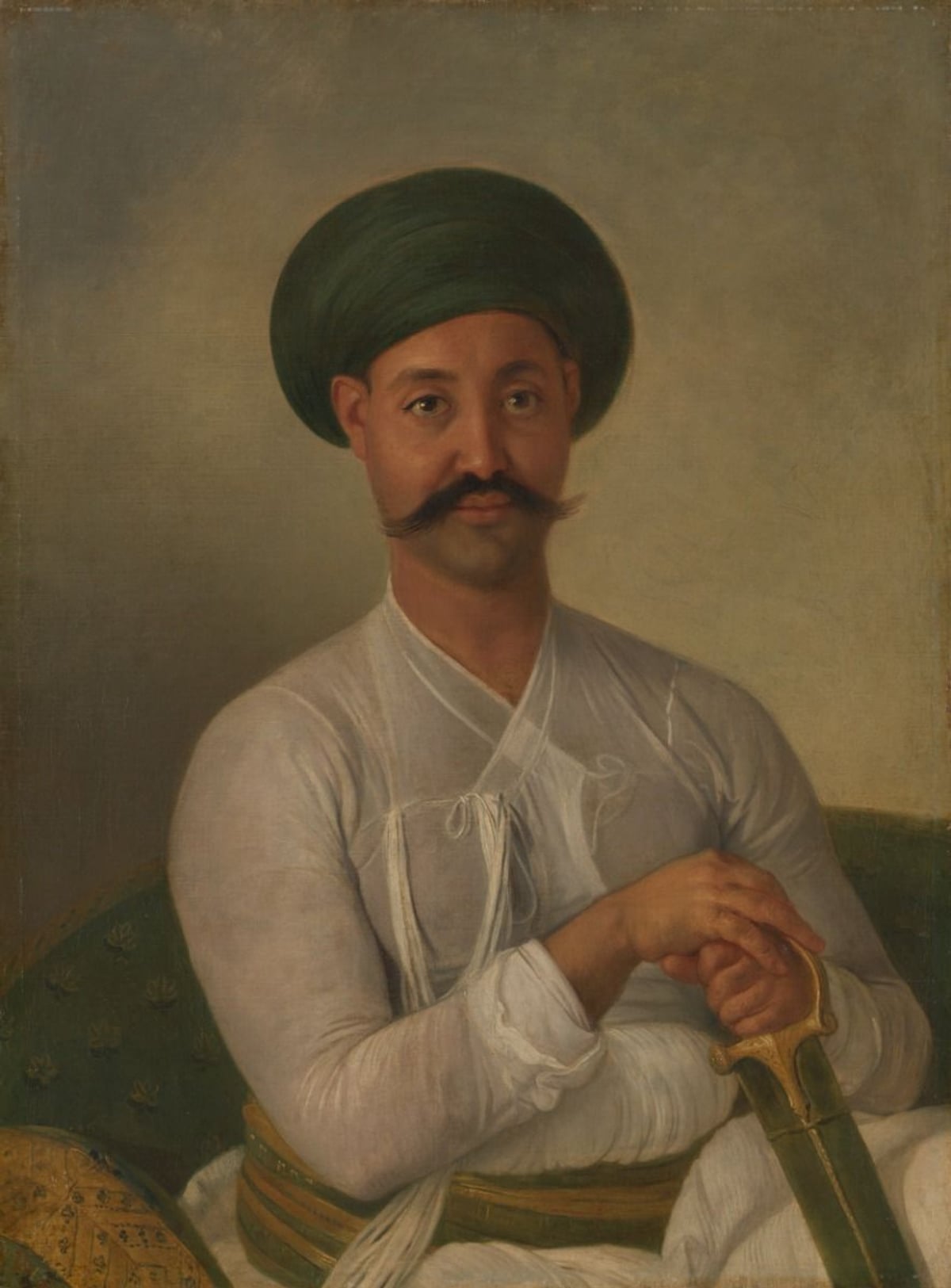
Johan Zoffany painted Prince Jawan Bakht in 1784. The work was done on the evening Zoffany reached Lucknow, Apollo says. Bakht was heir apparent to the Mughal empire. Greig calls it "arguably the most important portrait of an Indian by a European artist that exists".
Tate says it will be one of only three portraits of individual Indian sitters by Zoffany in UK public collections. William Hodges is in the gift too, and Greig said of him, "Hodges was really trying to understand India".
Rudolf Swoboda's Sepoy, dated about 1886, was painted for Queen Victoria. It is the first work by Swoboda to enter a British museum collection.
Why keep them in Britain
Greig also wanted to keep such paintings in Britain, because more of them were going abroad, mostly to India. He said, "It seemed to me essential that one was saving something".
My own stewardship so far stretches only to one houseplant, and it is struggling.
What happens next
The public will have a first chance to see the works in 2028, in a free display at Tate Britain. Alex Farquharson, Director of Tate Britain, thanks Greig for the gift.
Would you visit?
Provenance
We remember your likes in this browser for 180 days. Privacy notice.
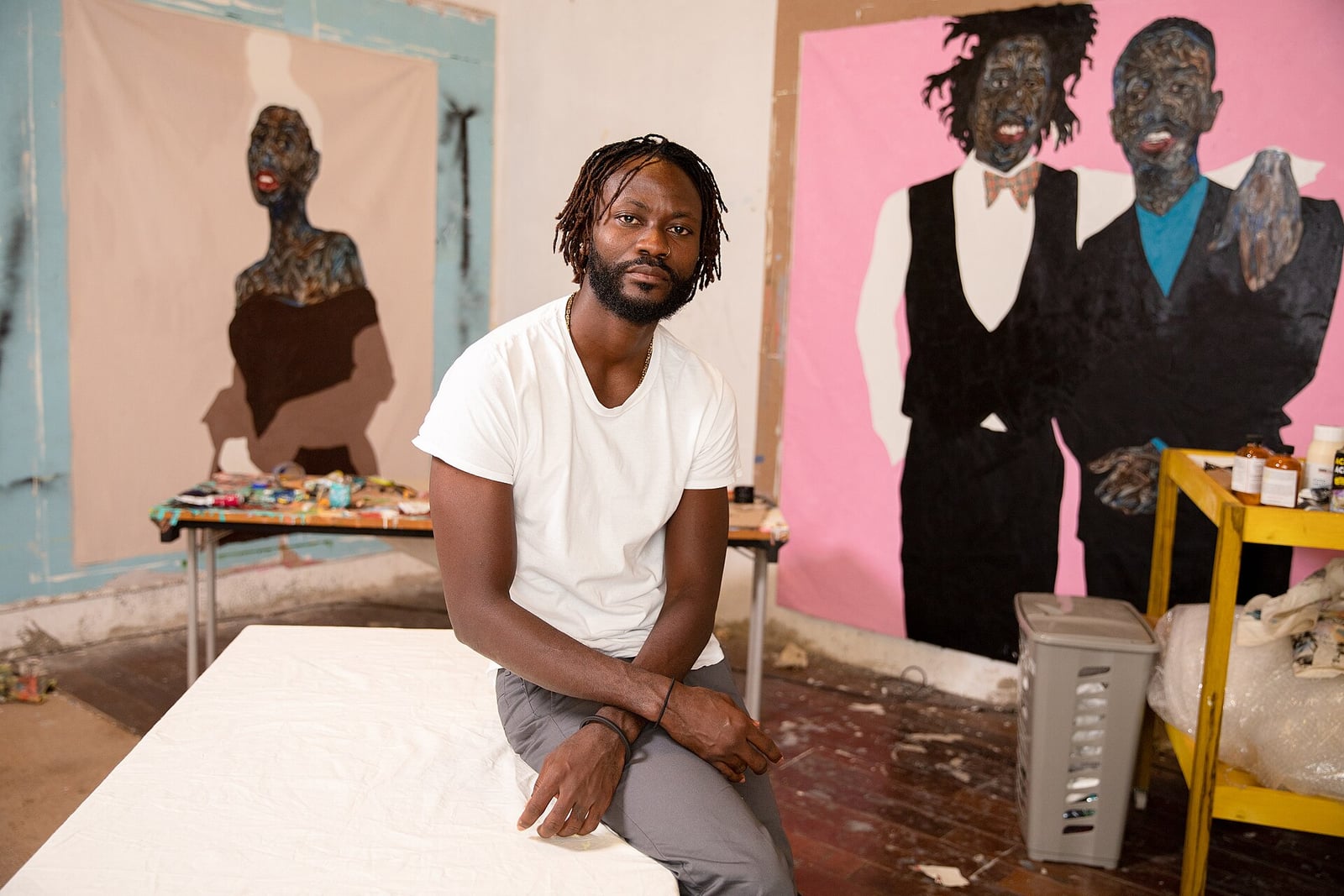
Amoako Boafo's first Italian solo show is in Venice until 22 November
Ghanaian painter Amoako Boafo shows new works that answer a Renaissance palace in Venice, in his first Italian solo show.
Photo: Francis Kokoroko. Amoako Boafo, 2020-07-12. Photograph. Wikimedia Commons, Francis Kokoroko (Creative Commons Attribution-ShareAlike 4.0)
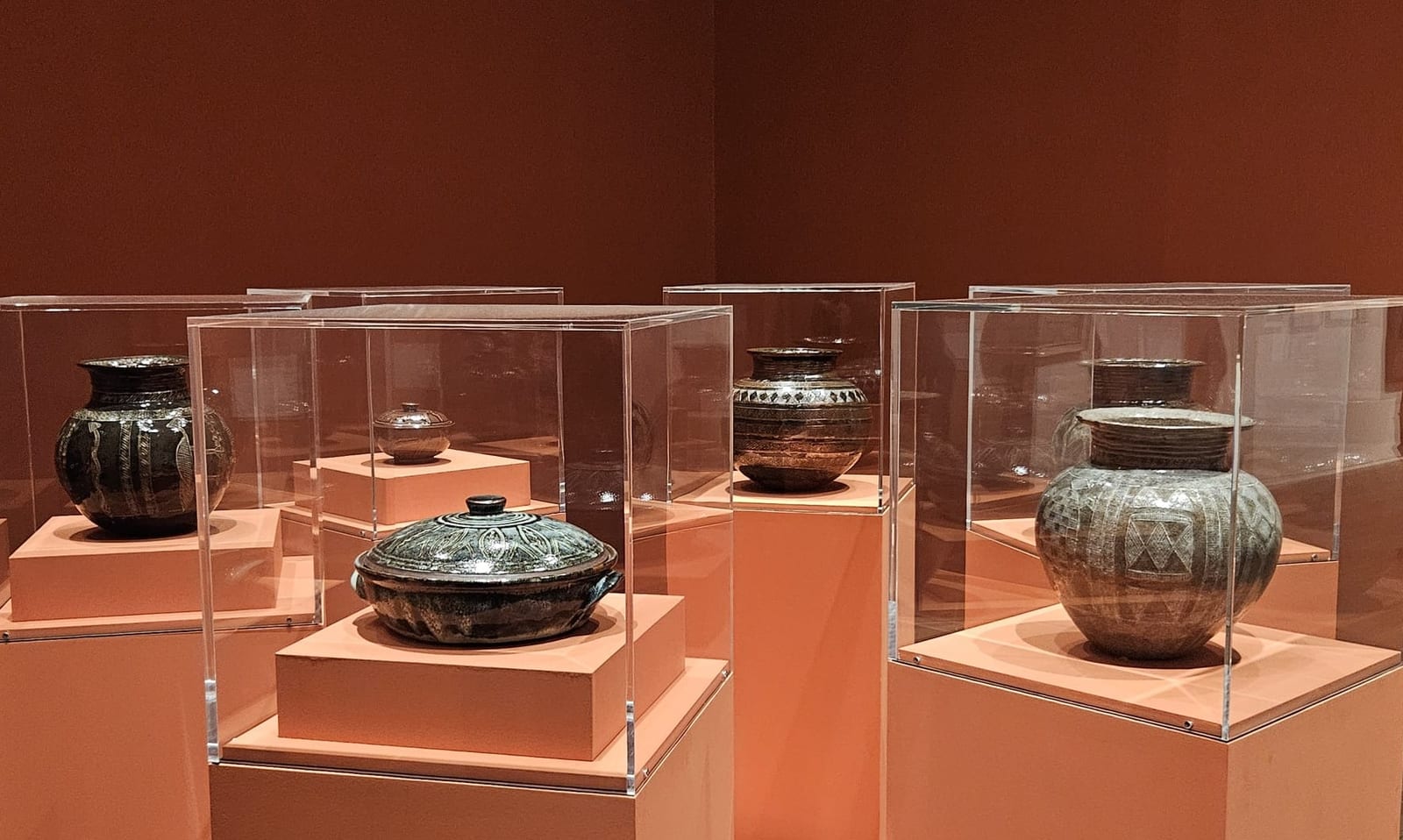
Ladi Kwali is on Nigeria's note, and a Lagos fair show looks at her pots
A show on the potter Ladi Kwali is part of the Lagos art fair, which runs from 5 to 8 November. Dr Jareh Das curates it.
Photo: GualdimG. Room 3, Ladi Kwali - Of Soil and Stone, Nigerian Modernism, Tate Modern, London 19, 2025-12-21. Photograph. Wikimedia Commons, Own work (Creative Commons Attribution-ShareAlike 4.0)
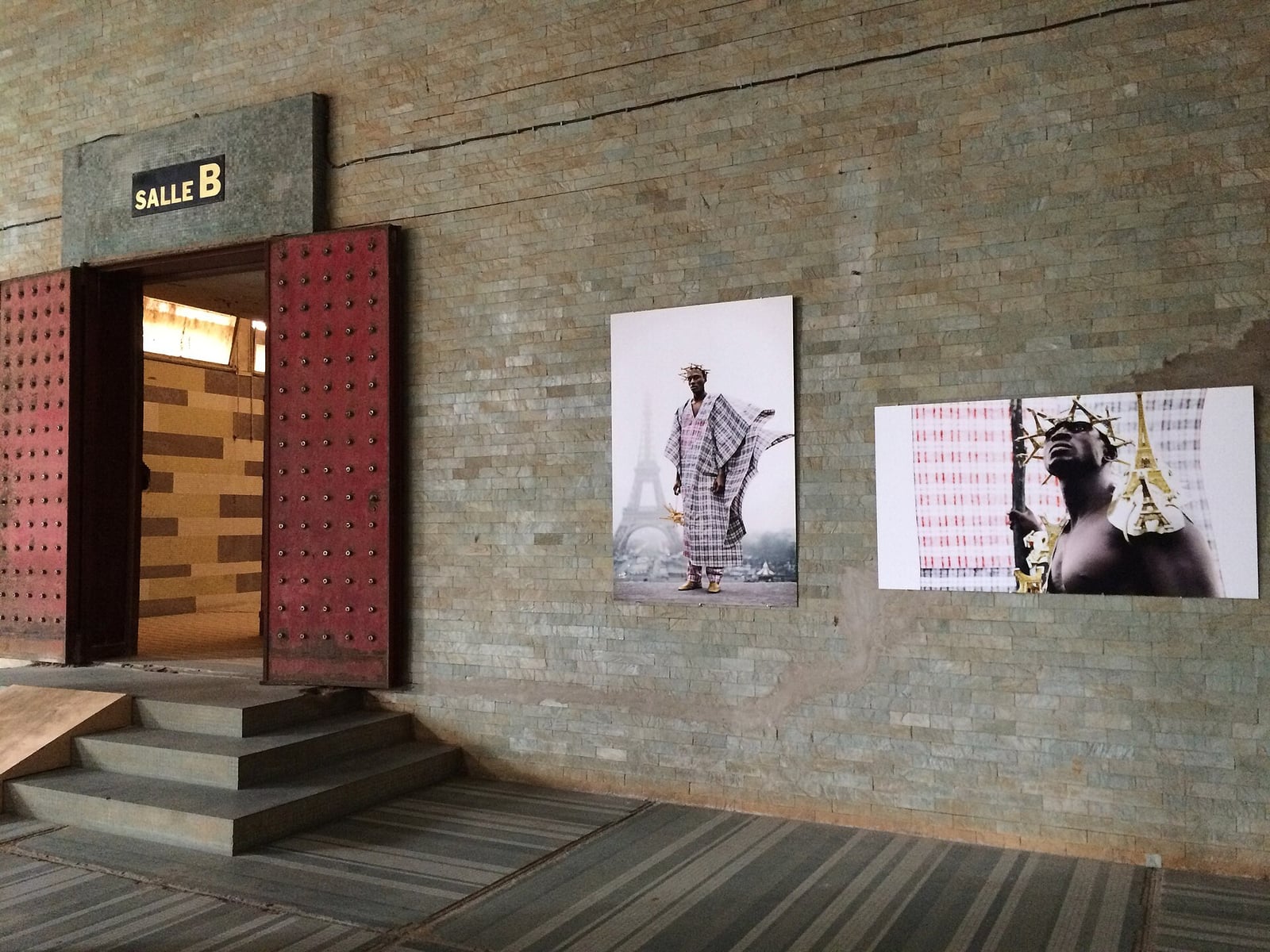
Dakar's biennale opens 19 November with 54 artists and a theme of repair
The 16th Biennale of Contemporary African Art runs in Dakar from 19 November to 19 December 2026. Its theme is (Anti)fragility, with 54 artists in the main show.
Photo: Iolanda Pensa. Dakar Biennale 2016 32, 2016-05-05. Photograph. Wikimedia Commons, Own work (Creative Commons Attribution-ShareAlike 4.0)
Join the family
Get Market Insights & Tips directly
Join the family
Comments
Includes replies.
Comments load after the article.