 ARTCESTRY
Ladi Kwali is on Nigeria's note, and a Lagos fair show looks at her pots
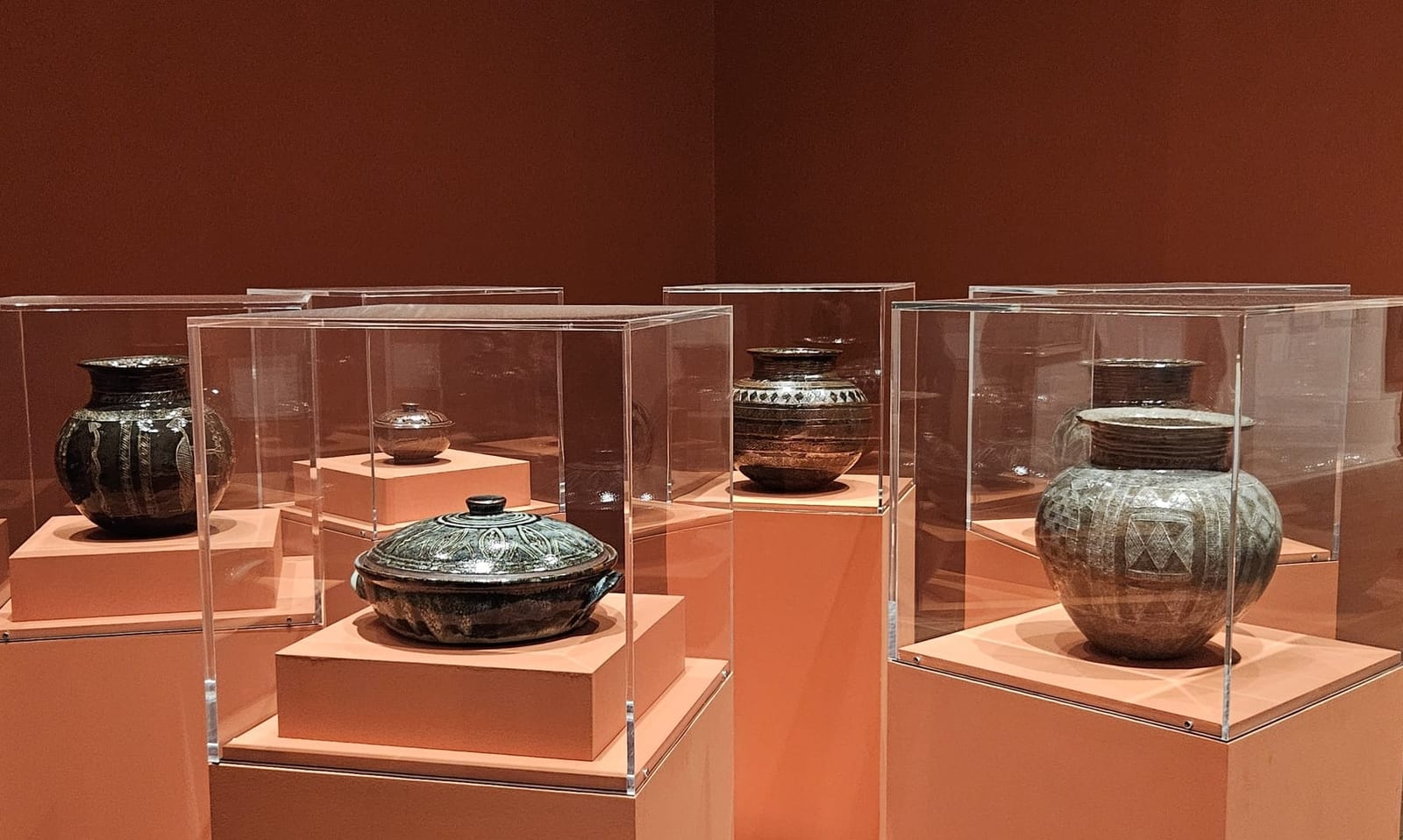
A show on the potter Ladi Kwali is part of the Lagos art fair, which runs from 5 to 8 November. Dr Jareh Das curates it.
- Dates
- 5 to 8 November 2026
- Where
- Federal Palace, Victoria Island, Lagos
Why it matters
Kwali's face is on the twenty-naira note, yet the page says she is less often examined. The show asks what she inherited and what later potters carried forward.
Ladi Kwali's face is on Nigeria's twenty-naira note. Yet the page says she is less often examined than she is recognised. A show called Ladi Kwali: Beyond the Vessel sets out to look closer. Dr Jareh Das conceived and developed it for ART X Lagos 2026, as part of ART X ICON.
The context
The fair runs from 5 to 8 November at Federal Palace, Victoria Island, Lagos, Epa reports. Zenith Bank is a silver sponsor, and its support covers ICON and a masterclass. The masterclass will pick ten emerging artists to meet Kwali's legacy and established practitioners.
Kwali lived from 1925 to 1984 and was born in the village of Kwali in northern Nigeria. The page calls her "Nigeria's most internationally recognised potter of the period,". It then adds that she learnt pottery from her aunt. She mastered hand-building and coiling, which are central to Gbari matrilineal traditions.
In 1951 the British studio potter Michael Cardew founded the Pottery Training Centre at Suleja, then Abuja. Kwali's admission opened the centre to other women from her community.
What the show gathers
The show holds ceramics and archive material. They come from the National Museum, Onikan, Lagos, and from private lenders. Kande Ushafa and Asibi Ido, two Gbari women potters who worked alongside and after Kwali, are in it too. So is traditional pottery by Gbari, Nupe and Bida potters.
The page traces a change in her making. The shift ran from hand-built water pots to wheel-thrown forms such as teapots, tankards, bowls and casserole dishes. It ties this to a change in what a woman potter was usually allowed to make, sell and sign. The page adds that Kwali "stands at the head of that lineage" and not alone at its summit.
I will admit that my own pots look better as paperweights than as teapots.
Her work abroad
Her work has been seen in London too. Tate Modern showed Kwali among more than 50 artists in Nigerian Modernism, which ran from 8 October 2025 to 10 May 2026. The Lagos show asks about the place of her work in museums abroad. It also asks about the conditions that let women sustain careers in art.
Our view
We think the show is worth a visit. It puts her work beside the potters who came after her.
Would you visit?
Provenance
We remember your likes in this browser for 180 days. Privacy notice.
Amoako Boafo's first Italian solo show is in Venice until 22 November
Ghanaian painter Amoako Boafo shows new works that answer a Renaissance palace in Venice, in his first Italian solo show.
Photo: Francis Kokoroko. Amoako Boafo, 2020-07-12. Photograph. Wikimedia Commons, Francis Kokoroko (Creative Commons Attribution-ShareAlike 4.0)
Dakar's biennale opens 19 November with 54 artists and a theme of repair
The 16th Biennale of Contemporary African Art runs in Dakar from 19 November to 19 December 2026. Its theme is (Anti)fragility, with 54 artists in the main show.
Lee Krasner made new art from Pollock's discarded works, now on show
The Metropolitan Museum of Art puts Lee Krasner beside Jackson Pollock in a show of more than 120 works. It runs until 31 January 2027.
Join the family
Get Market Insights & Tips directly
Join the family
Comments
Includes replies.
Comments load after the article.