 Artcestry
Why the hammer price is not the whole bill at auction
Bonhams, Phillips and Sotheby's add a buyer's premium to the winning bid. Bonhams and Sotheby's add taxes too, so the hammer price is not the full bill.
Why it matters
Bonhams' United Kingdom terms list a 30% fee on the first £25,000 of a painting. Bonhams shows why a buyer who budgets on the winning bid alone will come up short.
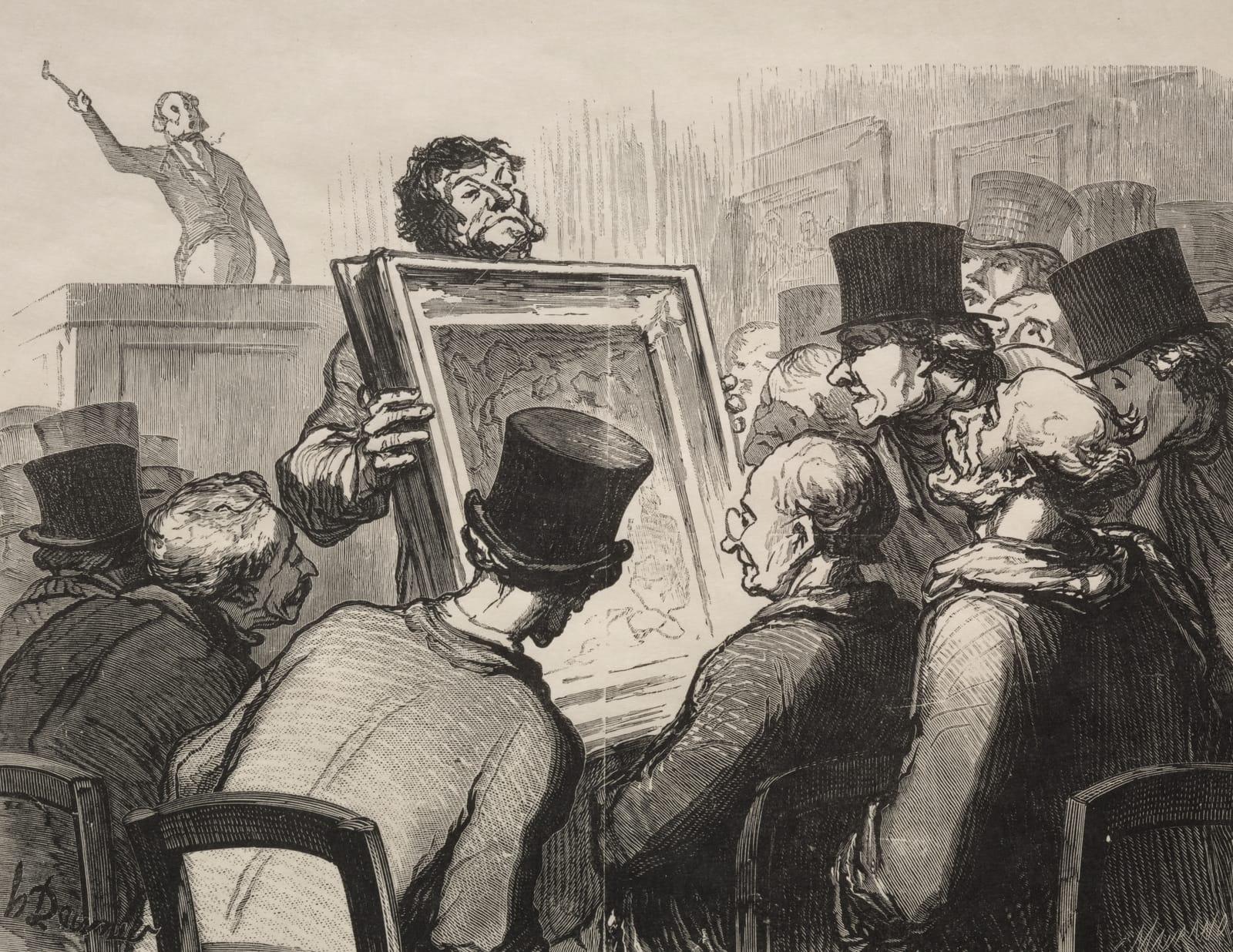
You win a painting with a £10,000 bid at a Bonhams sale in the United Kingdom, but Bonhams wants more. Bonhams adds a fee of 30% on top of that winning bid, which makes £13,000 by our sums. Where value added tax is due at 20% on that fee, the Bonhams total reaches £13,600 before other charges.
Bonhams says some lots also carry tax on the winning bid, so check the lot's tax marks. Bonhams sets out the sale terms in its catalogue and may update them through sale notices.
The context
Bonhams calls its fee the buyer's premium (the charge added to the winning bid). Sotheby's defines the hammer price (the last price the auctioneer accepts for a lot) in its London terms. Bonhams says buyers must pay its premium, any tax due and other charges as well as the winning bid.
Sotheby's says the final amount due includes the hammer price, premium, overhead premium and local taxes. Sotheby's London terms set that overhead premium at 1% of the hammer price, for wine and spirits lots only. Sotheby's also says a resale royalty is collected in some places.
In London, Sotheby's charges 28% on most lots with a hammer price of up to £1,500,000. Phillips charges 29% in London up to the same level, at its standard rate from 12 April 2026. Phillips says that rate becomes 34.8% when value added tax is due on the premium.
Some lots carry one more charge, and Bonhams marks them with the letters AR in its catalogue. On those lots, Bonhams adds a royalty under the Artist's Resale Right. Bonhams sets it at 4% for a hammer price from £1,000 up to £50,000. Bonhams caps that royalty at £12,500 per lot. Bonhams lists storage and handling charges in the sale information. Bonhams also adds a fee for bids through the outside websites named in its terms.
How to work out the real bill
Bonhams says the premium is worked out in bands, not as one rate on the whole price. Bonhams charges each slice of the hammer price at the rate for its band, then adds the slices up. For a £100,000 painting in the United Kingdom, Bonhams takes 30% of the first £25,000 and 28% of the next £75,000. By our sums on those Bonhams rates, that premium comes to £28,500.
Here is a quick check that follows the Bonhams rules for a painting sale in the United Kingdom.
- Take the top bid you plan to make and add the Bonhams premium for each band.
- Check the Bonhams tax marks for tax due on both the bid and the fee.
- Look for the AR mark, which Bonhams uses for lots with a resale royalty.
- Add any storage and handling costs that Bonhams lists in the sale information.
Sotheby's and Phillips publish their own rates, so the same steps work there with their numbers. Bonhams asks buyers to check the terms for their sale and any changes made before they bid.
Our view
We think the real price is the hammer price plus every charge Bonhams lists. The Bonhams sums above show why we would set a full budget before choosing a top bid.
My imaginary auction paddle has already asked for a tea break.
Do the sum before the paddle goes up, and the Bonhams invoice should hold fewer surprises.
What do you think?
Provenance
- Notice to Bidders | Bonhams
- Phillips' Buyer's Premium Rates | Phillips
- Buy & Sell at Sotheby's | Sotheby's
- Conditions of Business for Buyers at Auction for London | Sotheby's
Join the family
Get Artcestry's Thursday newsletter.
Join the family