 Artcestry
What you can do with a free museum image, and how to check first
The Cleveland Museum of Art lets you reuse its open access images without asking, including in things you sell.
Why it matters
The Art Institute of Chicago allows free use of many images, even in goods you sell.
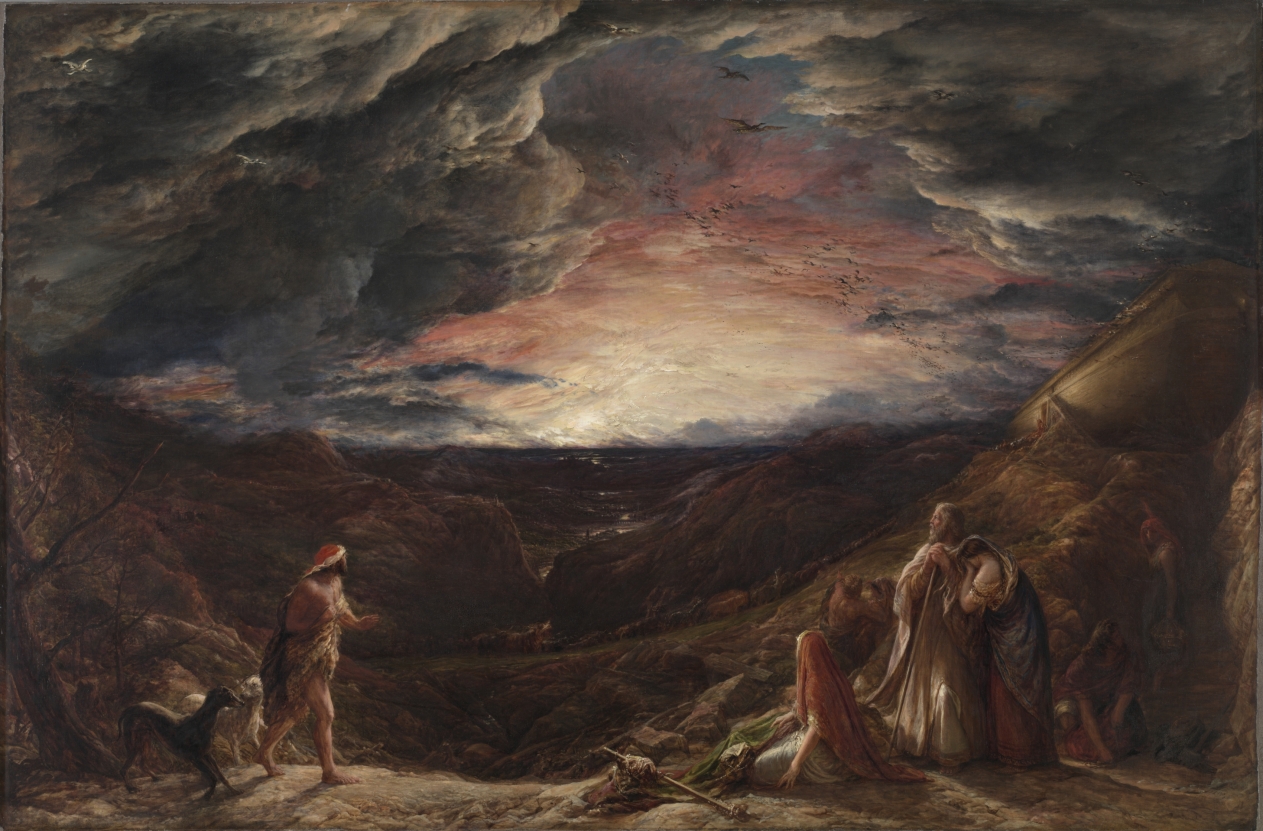
You can print, post or remix open access images from the Cleveland Museum of Art without asking first. The Cleveland Museum of Art shares the painting above, made in 1848, under Creative Commons Zero (CC0). The Art Institute of Chicago and the Rijksmuseum make a similar offer for many of their own images.
The context
The Cleveland Museum of Art calls this open access (sharing images free of charge and without copyright or licensing limits). The Cleveland Museum of Art says it covers more than half of its collection. The Cleveland Museum of Art adds new public domain works to the list each January.
Creative Commons calls its tool CC0 (Creative Commons Zero, a way to give up copyright in a work). Creative Commons says the owner gives up those rights worldwide, as far as the law allows. Creative Commons says you can copy, change, share and perform the work, even for profit, without asking.
The Art Institute of Chicago offers over 50,000 free images of works it believes are free of copyright. The Art Institute of Chicago says its CC0 label allows any use, including in things you sell. The Rijksmuseum says much of its collection data is free to use, even for profit. The Rijksmuseum says a Public Domain or CC0 notice means copyright is absent or the museum has waived its rights.
What the museums let you do
The Cleveland Museum of Art lists art making, teaching, digital media, research and publishing among the uses. The Cleveland Museum of Art says a CC0 work needs no credit, though you may choose to cite it. The Art Institute of Chicago gives a cat example: search for cats, then tick the public domain box. The Art Institute of Chicago says this gives you over 1,800 cat images to download and use.
My spare room is now one free download away from becoming a gallery.
The Rijksmuseum asks you to credit it anyway, even where no credit is required. The Art Institute of Chicago asks for a caption with the artist, title, date and the museum's name.
How to check before you use an image
The Art Institute of Chicago and the Cleveland Museum of Art explain how to find their free images.
- On the Art Institute of Chicago website, search the collection for public domain or CC0.
- The Art Institute of Chicago says to assume a work is under copyright if no download button appears.
- On the Cleveland Museum of Art website, look for the CC0 icon or filter for open access.
- At the Rijksmuseum, read the copyright notice under each item before you use it.
The Rijksmuseum says some items have a licence that requires you to credit the museum as the source. The Rijksmuseum adds that photographs of objects still under copyright are not free to use. The Art Institute of Chicago says you must get any other permission a use might need. Creative Commons says CC0 does not remove other people's rights, such as privacy or rights over use of their likeness.
Our view
We like that the Art Institute of Chicago allows commercial use: your print can be something you sell. Creative Commons adds one fair rule: do not suggest that the artist or museum backs your project. Our advice follows the Rijksmuseum policy: check the label, then give credit even when you do not have to.
What do you think?
Provenance
- Open Access Images | Art Institute of Chicago
- CC0 1.0 Universal | Creative Commons
- Open Access | Cleveland Museum of Art
- Introduction Information and Data Policy | Rijksmuseum
- Noah: The Eve of the Deluge | Cleveland Museum of Art
Join the family
Get Artcestry's Thursday newsletter.
Join the family