 ARTCESTRY
Lee Krasner made new art from Pollock's discarded works, now on show
The Metropolitan Museum of Art puts Lee Krasner beside Jackson Pollock in a show of more than 120 works. It runs until 31 January 2027.
- Dates
- 4 October 2026 to 31 January 2027
Why it matters
Krasner is often overshadowed by her husband, NPR notes. Here she has 74 works to his 48, so visitors can judge her on her own terms.
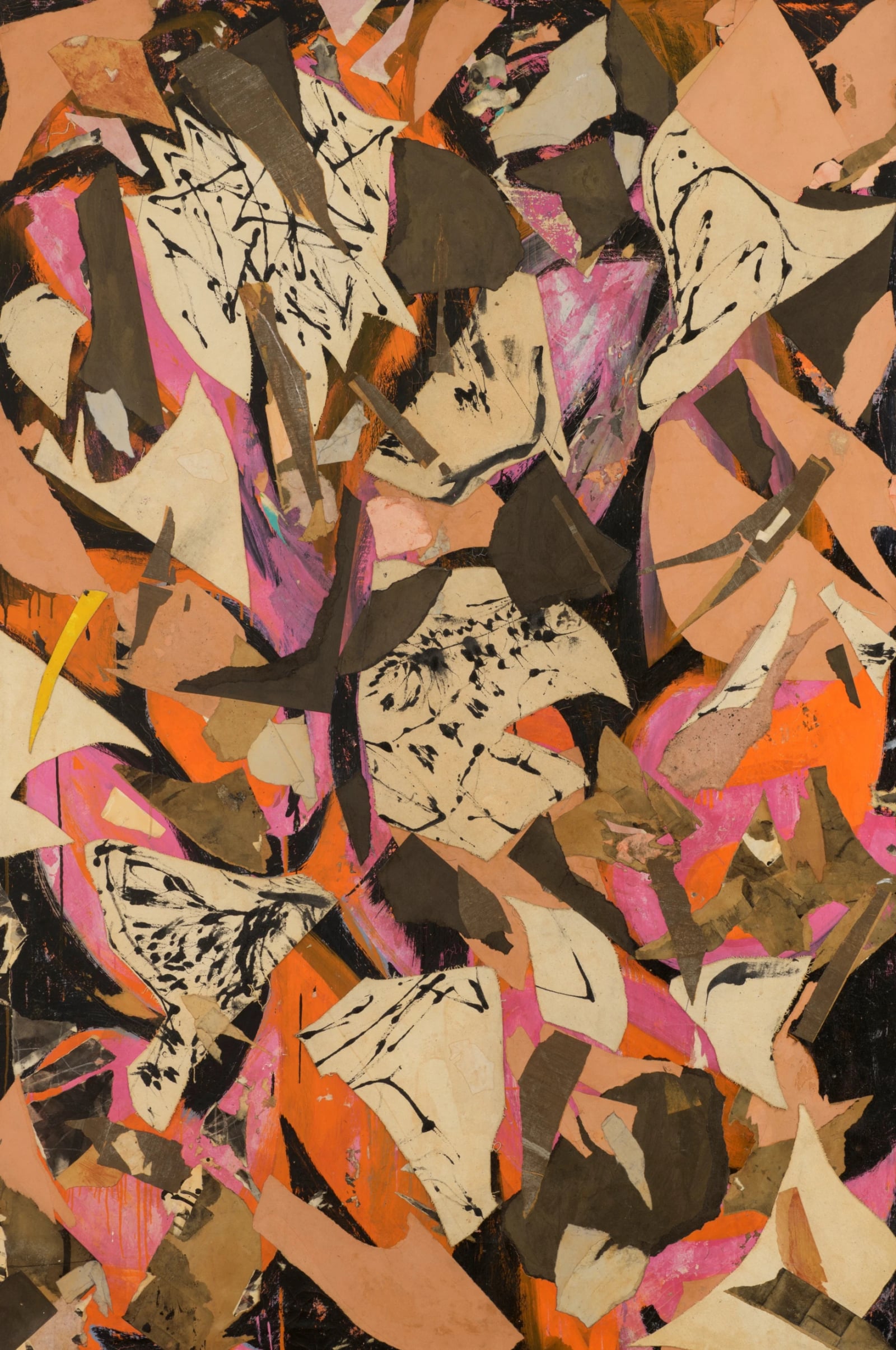
Lee Krasner sometimes cut up old work to start a new phase. Her 1955 collage Bald Eagle began with discarded Pollock works from the 1950s. His drip is still visible, curator Brinda Kumar says. The cuts were deliberate, not careless, Kumar adds. A cutout near the centre suggests an eagle's head, NPR's reporter writes.
Both artists now share one show, Krasner and Pollock: Past Continuous, at the Metropolitan Museum of Art. Visitors have from 4 October 2026 to 31 January 2027 to see it. More than 120 works hang there, with 74 by Krasner and 48 by Pollock.
The context
The pair lived in Springs, a small fishing village on eastern Long Island. Krasner picked it to pull Pollock away from the social and career pressures of Manhattan. Pollock worked in a barn there, while she first painted in the kitchen.
Pollock died in 1956. Krasner then took over the barn studio and made large, joyful work, curator David Breslin says. He points to The Seasons from 1957, which is nearly 17 feet wide.
The Whitney Museum of American Art holds that painting. Its record lists oil and house paint on canvas, 92 3/4 by 203 7/8 inches. A guide for children on the museum's page quotes Krasner as liking a canvas that can breathe and be alive.
Breslin says Krasner's collages beside Pollock's drips create new meaning, and each keeps its own history. Kumar adds that Krasner knew her market value as a woman artist, since Pollock's career was then more successful. NPR's reporter writes that Krasner more than tripled the price of Autumn Rhythm (Number 30) when she sold it to the museum after his death.
Her Little Images paintings from the late 1940s crowd nearly hieroglyphic symbols onto small canvases. Pollock's 1952 drip painting Convergence uses neon orange and electric yellow, the reporter says.
My own bin of rejected drafts has never once become art.
Our view
We think the count of 74 works to 48 shows the aim of the show. It lets a reader see Krasner as a painter with her own path, not as a footnote.
Would you visit?
Provenance
We remember your likes in this browser for 180 days. Privacy notice.

Amoako Boafo's first Italian solo show is in Venice until 22 November
Ghanaian painter Amoako Boafo shows new works that answer a Renaissance palace in Venice, in his first Italian solo show.
Photo: Francis Kokoroko. Amoako Boafo, 2020-07-12. Photograph. Wikimedia Commons, Francis Kokoroko (Creative Commons Attribution-ShareAlike 4.0)
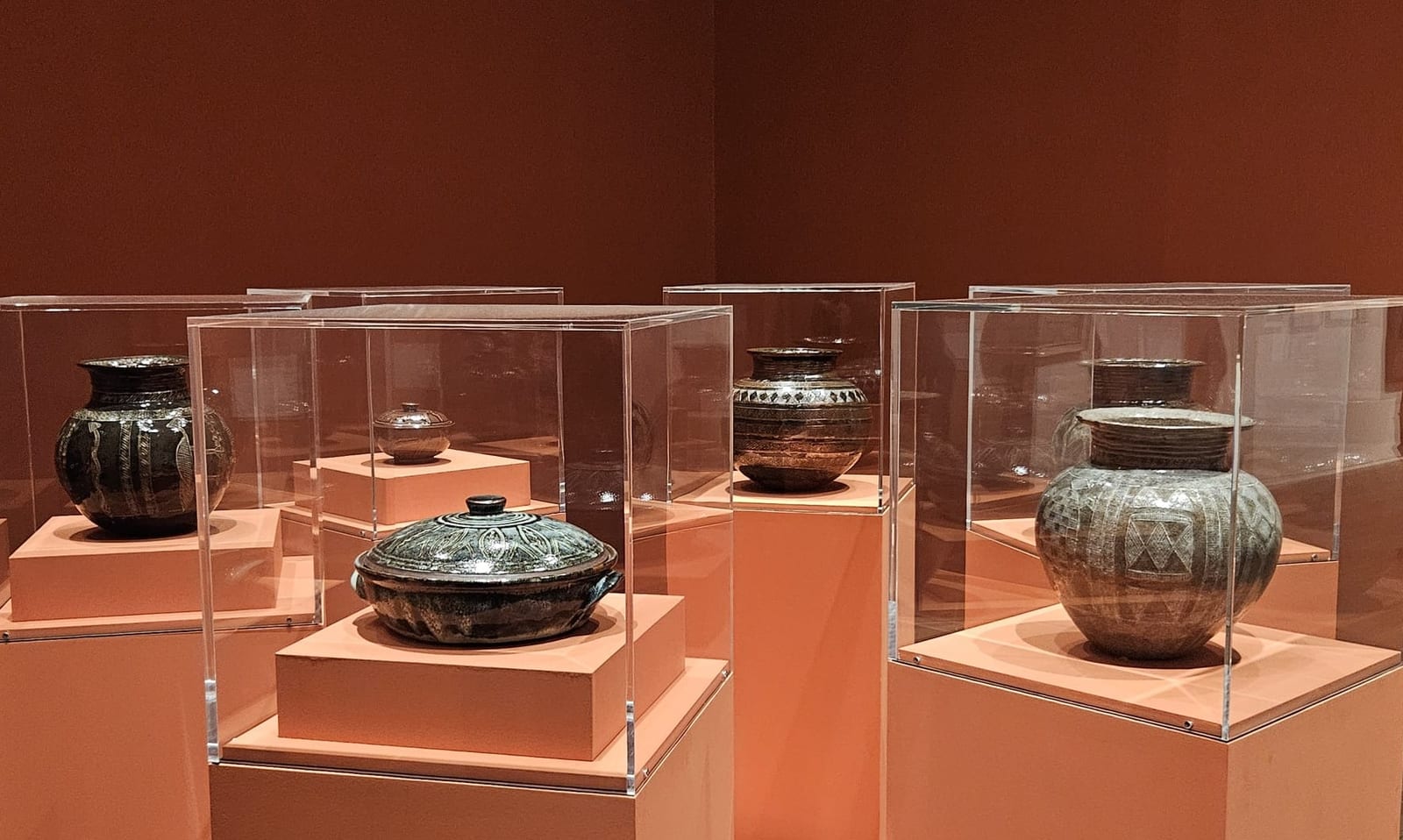
Ladi Kwali is on Nigeria's note, and a Lagos fair show looks at her pots
A show on the potter Ladi Kwali is part of the Lagos art fair, which runs from 5 to 8 November. Dr Jareh Das curates it.
Photo: GualdimG. Room 3, Ladi Kwali - Of Soil and Stone, Nigerian Modernism, Tate Modern, London 19, 2025-12-21. Photograph. Wikimedia Commons, Own work (Creative Commons Attribution-ShareAlike 4.0)
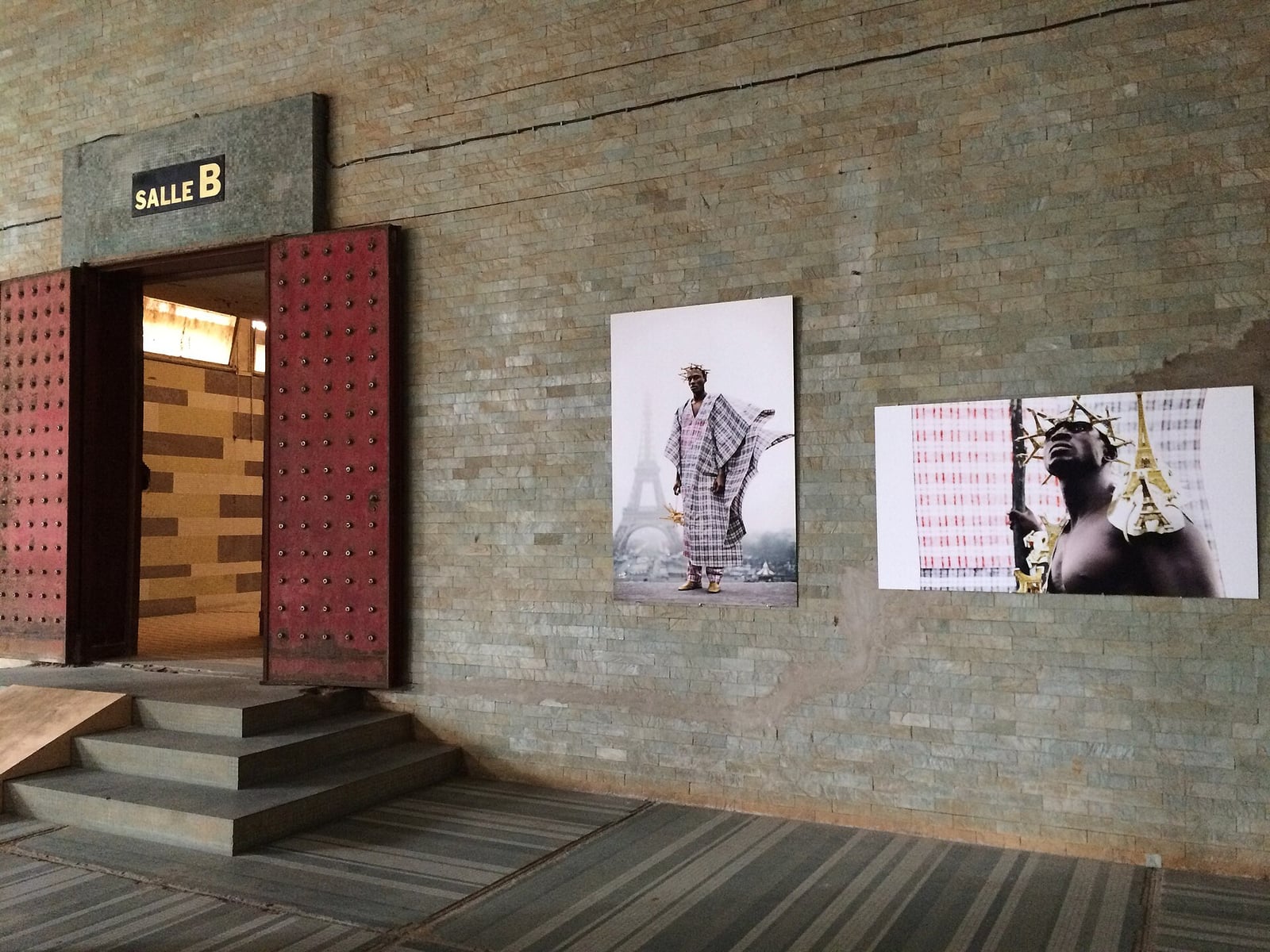
Dakar's biennale opens 19 November with 54 artists and a theme of repair
The 16th Biennale of Contemporary African Art runs in Dakar from 19 November to 19 December 2026. Its theme is (Anti)fragility, with 54 artists in the main show.
Photo: Iolanda Pensa. Dakar Biennale 2016 32, 2016-05-05. Photograph. Wikimedia Commons, Own work (Creative Commons Attribution-ShareAlike 4.0)
Join the family
Get Market Insights & Tips directly
Join the family
Comments
Includes replies.
Comments load after the article.