 ARTCESTRY
Rauschenberg's junkyard sculptures go on free display at Tate Modern
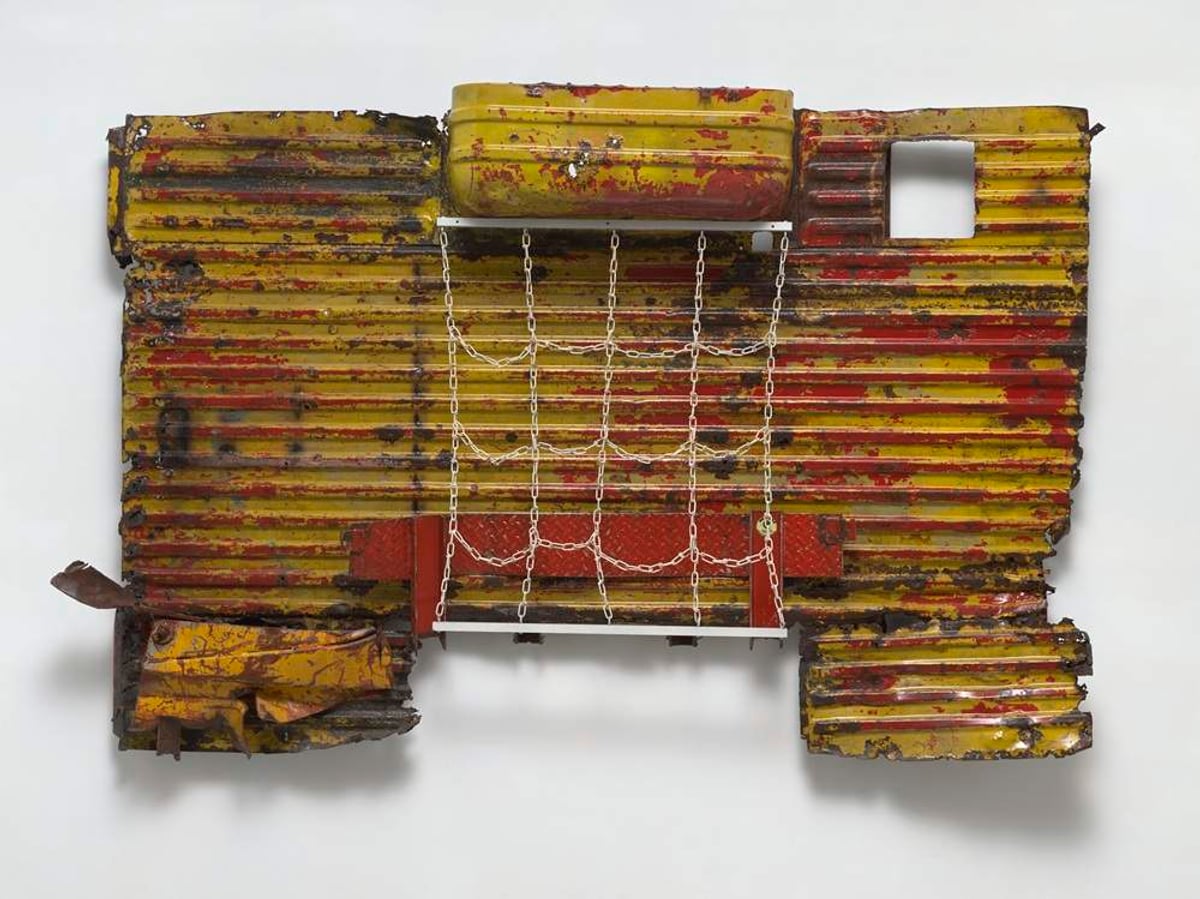
Robert Rauschenberg's scrap-metal Glut sculptures are on free display at Tate Modern until December 2027. His foundation gave three of them to a shared national collection.
- Dates
- From 21 September 2026 to December 2027
- Opening hours
- Daily, 10.00 to 18.00; Fri and Sat until 21.00
- Entry
- Free
- Where
- ARTIST ROOMS gallery, Tate Modern
Why it matters
You can see how one artist turned junkyard scrap into a comment on waste, at no cost. Three of the works are new gifts to a collection that two national museums share.
You can see Robert Rauschenberg's junkyard sculptures at Tate Modern, and it costs nothing. The free display opened on 21 September 2026 and runs to December 2027. Doors are open daily from 10.00 to 18.00, and until 21.00 on Fridays and Saturdays.
What is in the room
The room holds over 20 works from the 1950s to the 1980s. They span paintings, prints, and kinetic and light works. At the centre stands a group of Glut sculptures.
Rauschenberg made the Gluts from 1986 to 1994, using scrap metal scavenged from junkyards. Abandoned petrol stations, cars and machinery in the Texan landscape inspired them. He saw the works as a stark warning about the "throwaway culture" of capitalist society.
The Art Newspaper records his own words on the series. He said it was "a time of glut" and that he wanted to "wake people up".
Three new gifts
Three of the Gluts are new to the collection. The Robert Rauschenberg Foundation gave them to ARTIST ROOMS. They are G-I Glut from 1986, plus Rasputin's Revenge Early Winter Glut and Mobile Cluster Glut (Neapolitan), both from 1987.
The gift marks 100 years since the artist's birth, Tate says. Tate and the National Galleries of Scotland jointly own and manage ARTIST ROOMS. Its works are shown in galleries and lent to arts groups across the United Kingdom. The foundation's head said "Collaboration and intentionality were central to the artist's ethos".
Dance on the gallery floor
The display also traces links between his art and dance and performance. Mobile Cluster Glut (Neapolitan) was adapted from a set he made for Trisha Brown Dance Company's Lateral Pass in 1985. Costumes for Trisha Brown's Set and Reset from 1983 are shown too.
Smaller works add range. Almanac from 1962 is one of his first silkscreen works. The Carnal Clocks series from 1969 uses kinetic works that switch lights on and off.
Our view
We think the free entry is the best reason to go. A visitor can see how scrap metal became a sharp comment on waste, with no ticket to buy.
I plan to ask my own recycling bin for better ideas.
The show is organised with the foundation, and its curators include Gregor Muir, Andrew de Brún and Julia Blaut.
Would you visit?
Provenance
- ARTIST ROOMS: Robert Rauschenberg at Tate Modern, 21 September 2026 - December 2027 – Press Release - Tate | Tate
- Robert Rauschenberg foundation donates three sculptures to shared Tate and National Galleries of Scotland collection - The Art Newspaper - International art news and events | The Art Newspaper
We remember your likes in this browser for 180 days. Privacy notice.
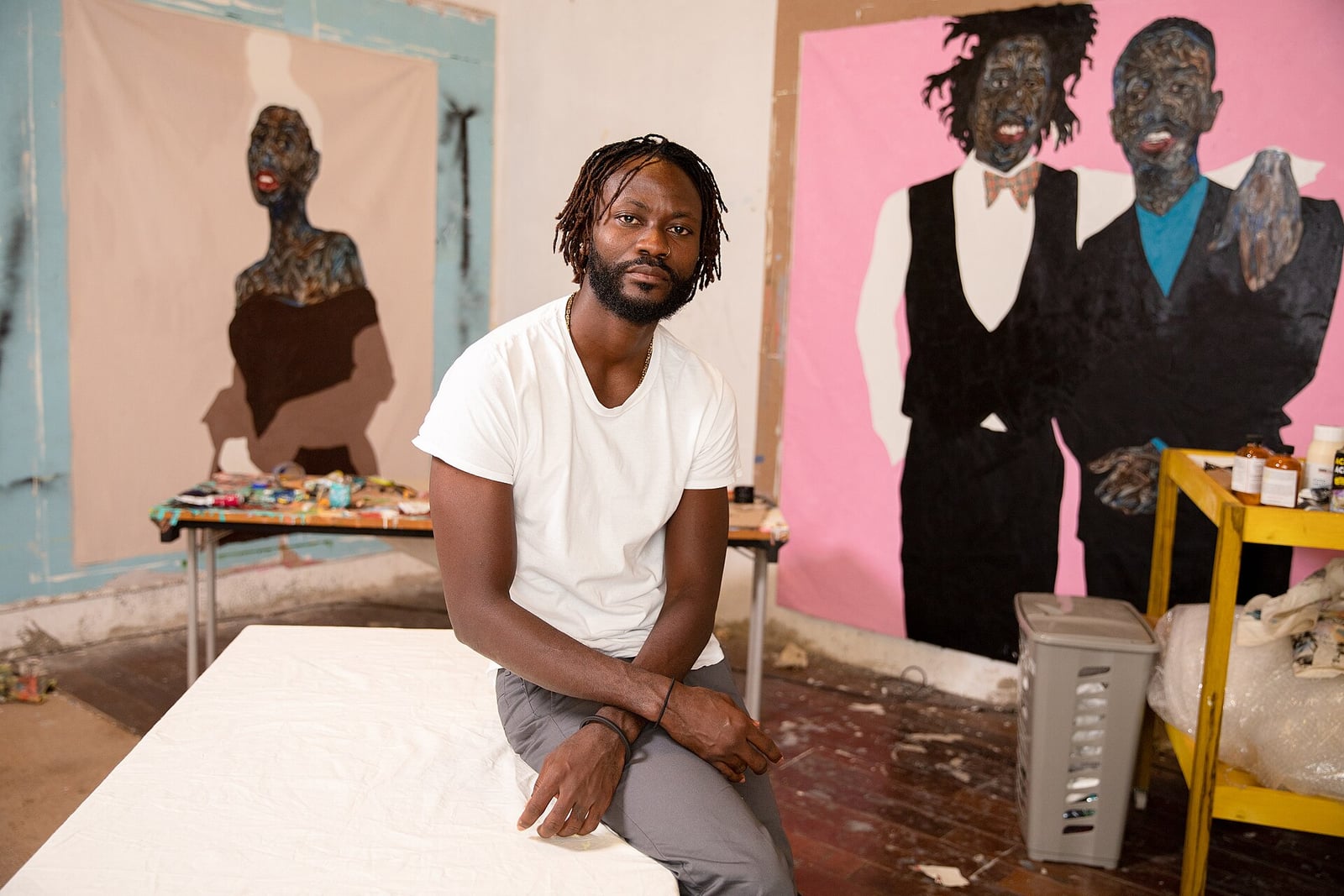
Amoako Boafo's first Italian solo show is in Venice until 22 November
Ghanaian painter Amoako Boafo shows new works that answer a Renaissance palace in Venice, in his first Italian solo show.
Photo: Francis Kokoroko. Amoako Boafo, 2020-07-12. Photograph. Wikimedia Commons, Francis Kokoroko (Creative Commons Attribution-ShareAlike 4.0)
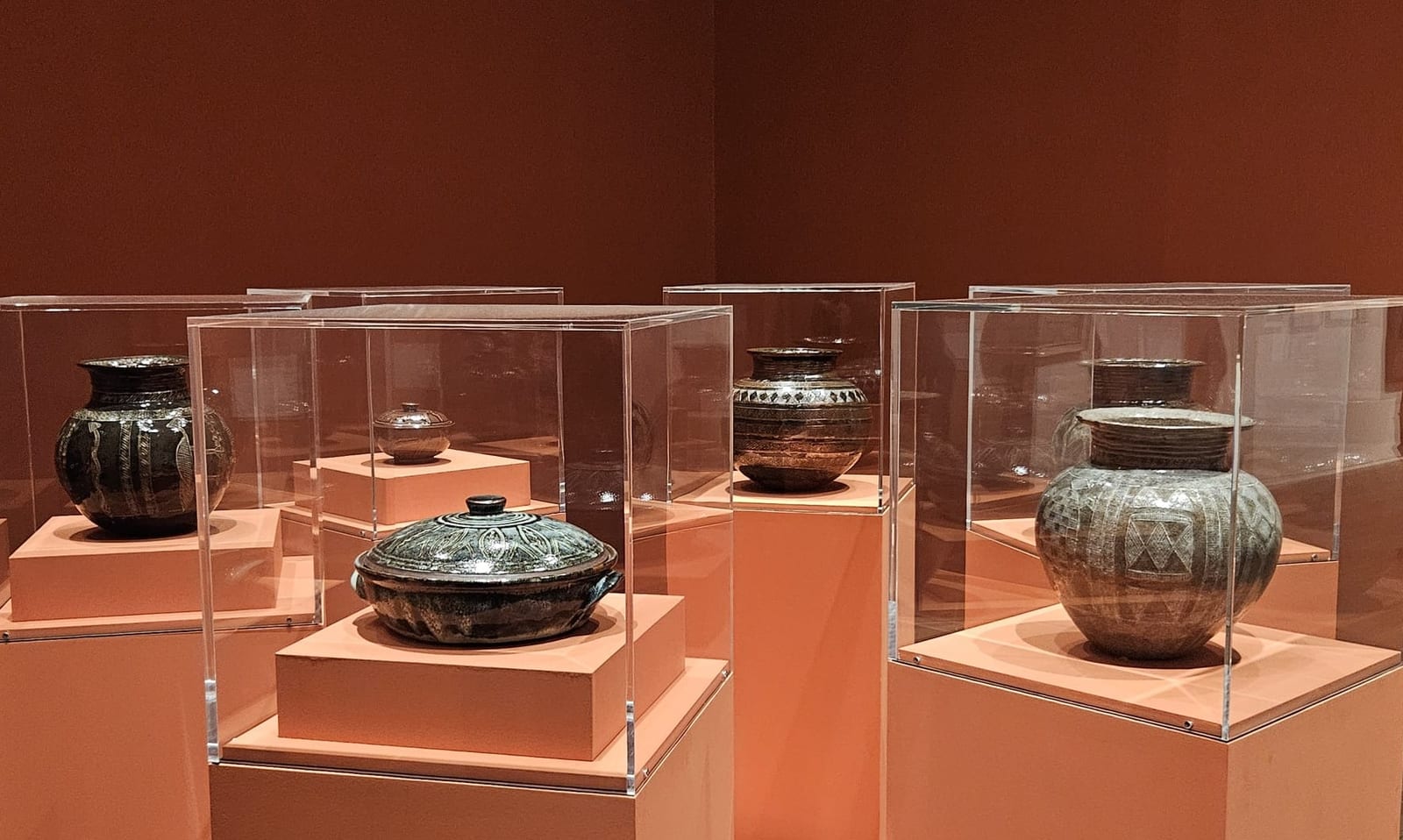
Ladi Kwali is on Nigeria's note, and a Lagos fair show looks at her pots
A show on the potter Ladi Kwali is part of the Lagos art fair, which runs from 5 to 8 November. Dr Jareh Das curates it.
Photo: GualdimG. Room 3, Ladi Kwali - Of Soil and Stone, Nigerian Modernism, Tate Modern, London 19, 2025-12-21. Photograph. Wikimedia Commons, Own work (Creative Commons Attribution-ShareAlike 4.0)
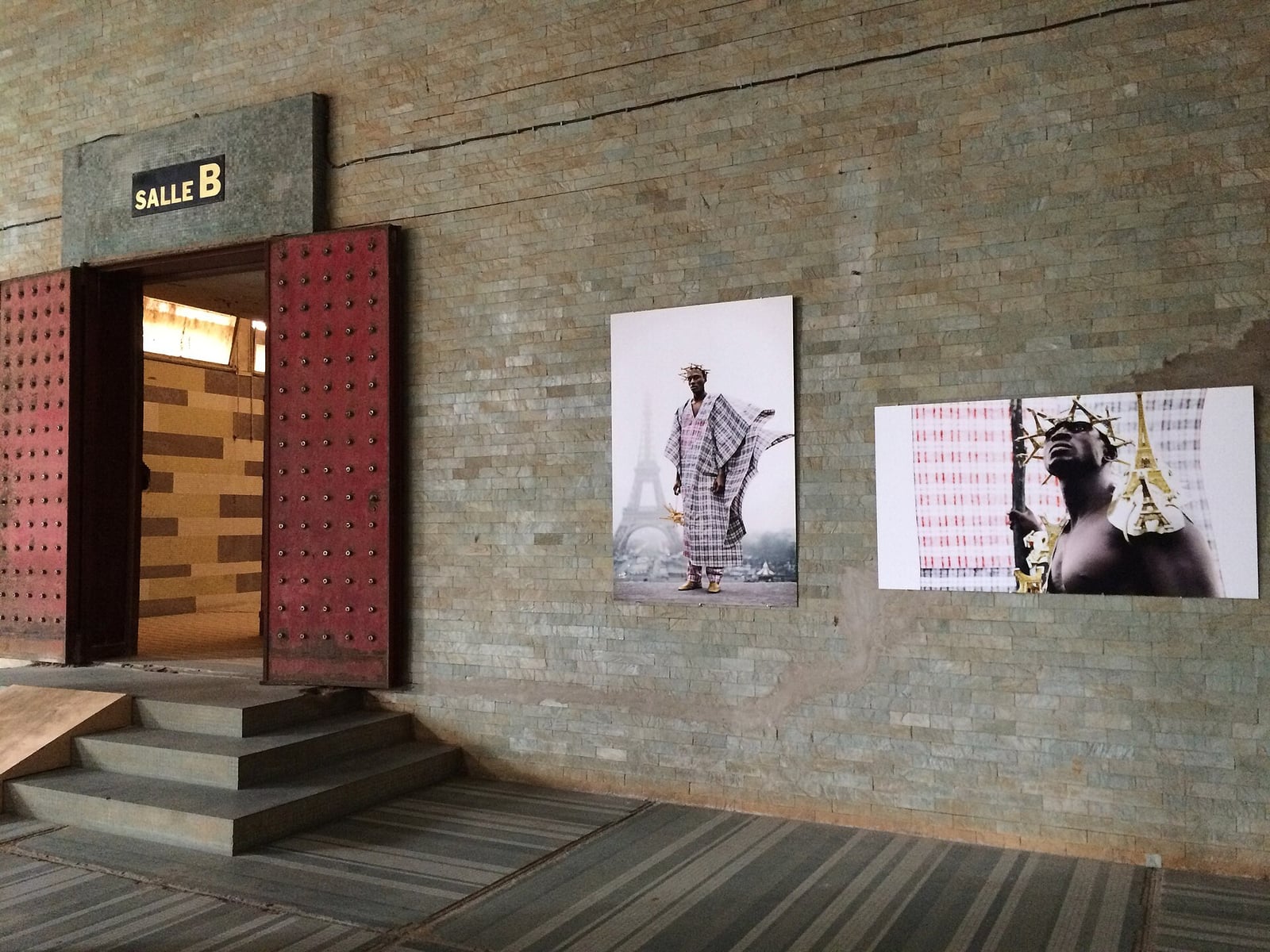
Dakar's biennale opens 19 November with 54 artists and a theme of repair
The 16th Biennale of Contemporary African Art runs in Dakar from 19 November to 19 December 2026. Its theme is (Anti)fragility, with 54 artists in the main show.
Photo: Iolanda Pensa. Dakar Biennale 2016 32, 2016-05-05. Photograph. Wikimedia Commons, Own work (Creative Commons Attribution-ShareAlike 4.0)
Join the family
Get Market Insights & Tips directly
Join the family
Comments
Includes replies.
Comments load after the article.