 ARTCESTRY
Free at Tate Modern: how African artists taught each other
A free room at Tate Modern shows how artists across Africa built workshops and networks in the late 20th century. Tate says it stays open until June 2027.
- Dates
- Until June 2027
- Entry
- Free
- Where
- Room 12, Tate Modern
Why it matters
The room shows how artists across Africa built their own ways to learn from each other. It is free to enter, so a visit costs nothing.
You can walk into Room 12 at Tate Modern and see how artists taught each other across Africa. Entry is free. The room is one of 14 in the Artist and Society section.
The display is called Teach by Example. Its title comes from Thupelo (a Sotho word meaning to teach by example), a workshop group that South African artist David Koloane co-founded in 1985. Tate's release says the display stays open until June 2027, though the display page lists it as ongoing.
The context
Koloane was an artist and anti-apartheid activist. A Triangle workshop in New York inspired him. The Bag Factory, an artists' studio space, says he founded the Thupelo Workshops in South Africa. The idea then spread to Botswana, Mozambique, Zimbabwe and Namibia, it adds.
Born in Alexandra, Johannesburg, in 1938, Koloane is called a pioneer of the black art community in South Africa since the late 1970s on the studio page. The studio space was founded in 1991.
The New York event was one of the Triangle International Workshops. British philanthropist Robert Loder and sculptor Anthony Caro founded them. They began in Upstate New York in 1982. The network grew to more than 4,000 artists across Africa, South Asia and Latin America.
More than twenty countries built workshops as part of the wider Triangle Network. The display names Mozambique, Zambia, Kenya, Uganda, Tanzania, Ethiopia, Nigeria, Ghana and Senegal.
What the room shows
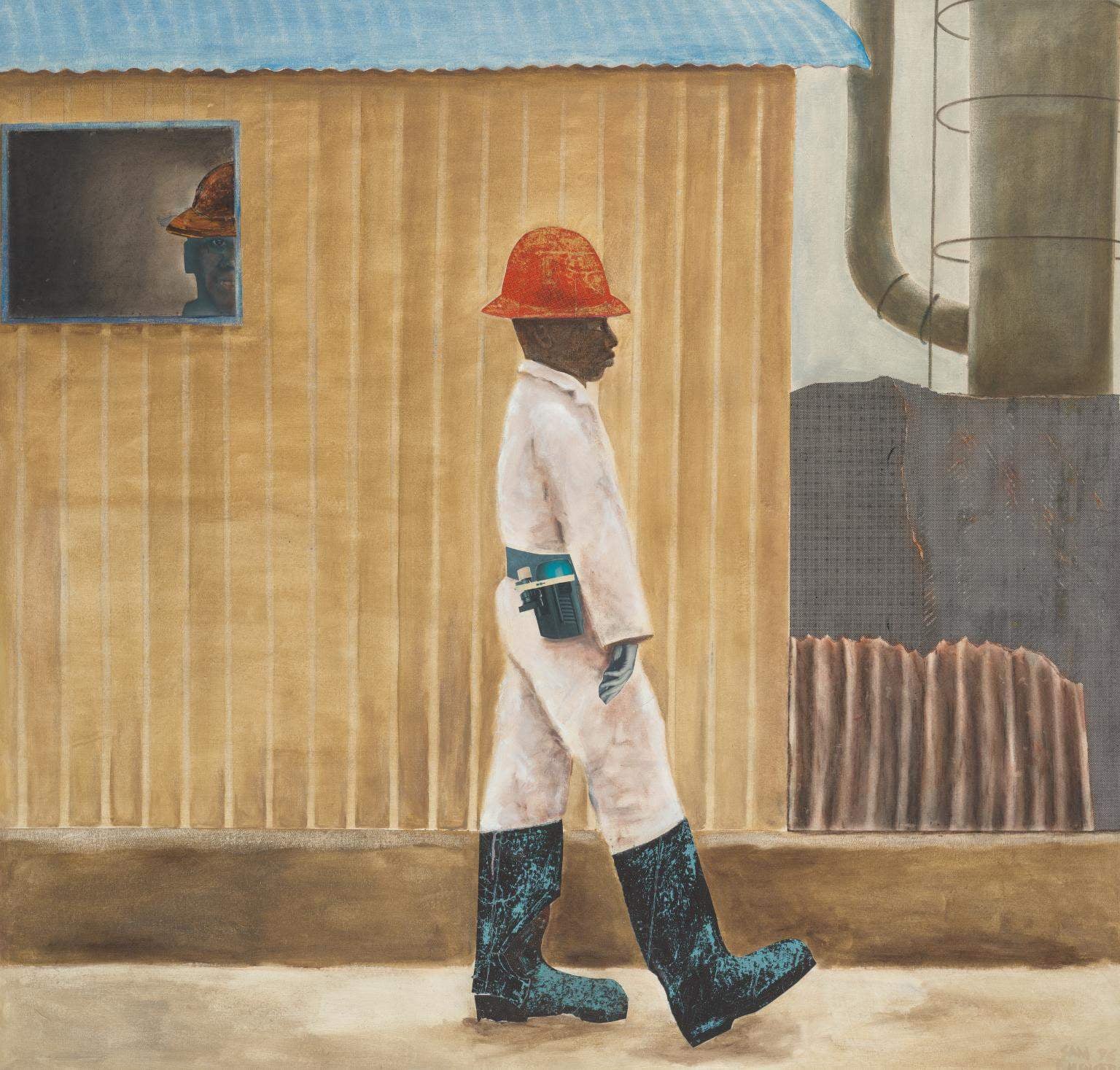
The artists work in sculpture, printmaking and painting. The display page pictures Fatigue, a 1996 work by Sam Nhlengethwa.
Who backs the research
Research for the display had support from the Hyundai Tate Research Centre: Transnational. That programme works with Hyundai Motor, and the partnership now runs to 2036.
A two-day symposium, Transnational Resistances, runs at Tate Modern on 6 and 7 November. It is a joint effort with the Irish Museum of Modern Art and Mathaf: Arab Museum of Modern Art. An online event, Lessons in Spiral Time, follows on 25 November. It covers African and African diasporic traditions, with the São Paulo Museum of Art.
Our view
We would pair a visit with the online talk, since both come from the same research programme.
I planned one quick look at a single room and now I have homework.
Would you visit?
Provenance
We remember your likes in this browser for 180 days. Privacy notice.
Join the family
Get Market Insights & Tips directly
Join the family
Comments
Includes replies.
Comments load after the article.